Follow Me On Social Media!

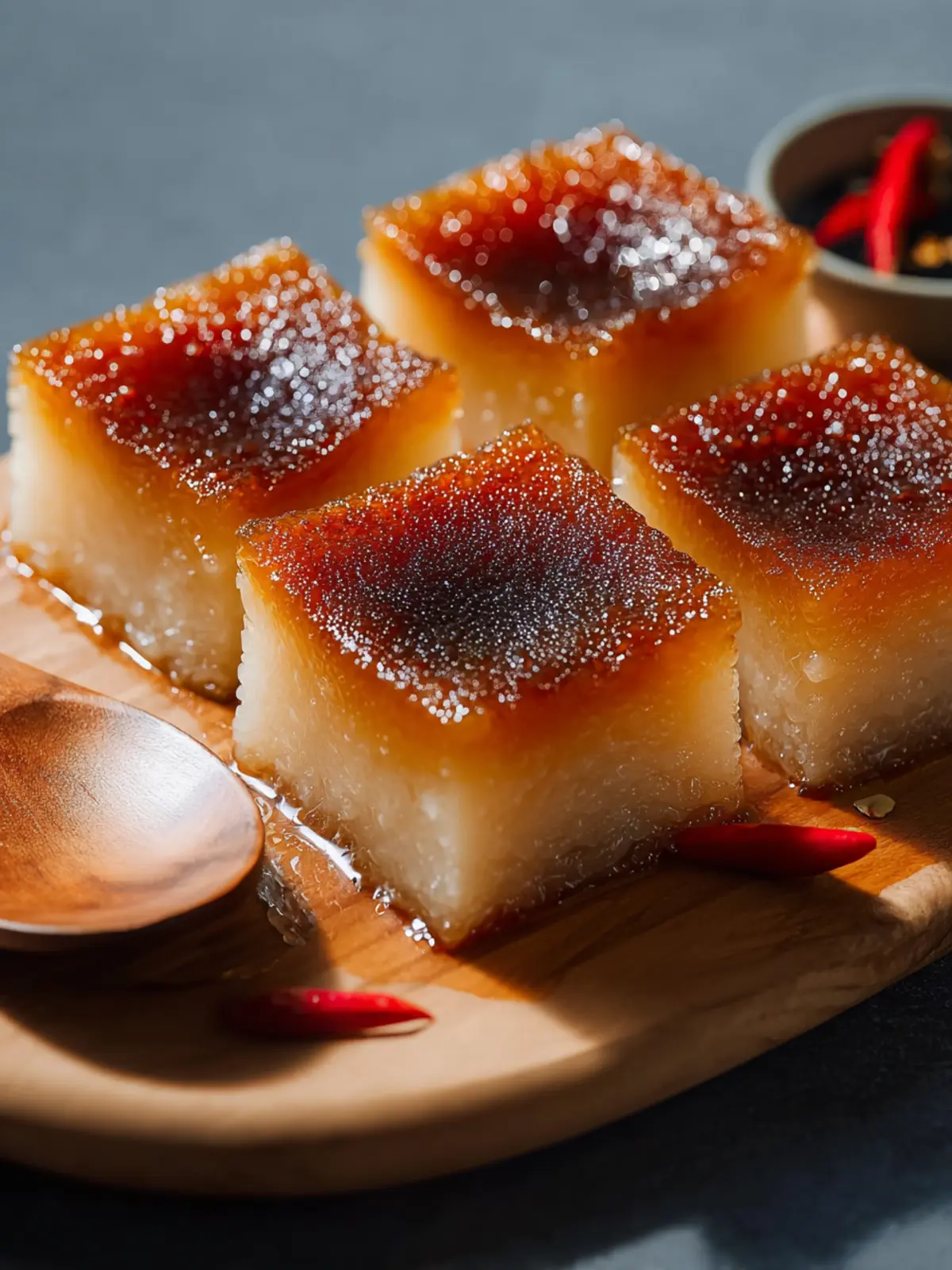
Nian Gao Recipe: Irresistibly Chewy Mochi Cake to Savor

Introduction to Nian Gao: Irresistibly Chewy Mochi Cake Recipe
Nian Gao, with its glistening surface and wonderfully chewy texture, is more than just a dessert; it’s a symbol of good fortune and prosperity celebrated during the lunar new year. This traditional Chinese glutinous rice cake is a delightful dish that encapsulates both warmth and culture. Picture yourself enjoying this heavenly treat, each bite bursting with the spirit of reunion and celebration. Whether you’re indulging during the new year or just refreshing your palate, Nian Gao brings joy to your table year-round.
What makes Nian Gao so special?
Nian Gao stands out for its unique texture and rich history. Originating from China, it has long been associated with the idea of growth and progress, making it a must-have for new year festivities. The cake’s name, which translates to “sticky rice cake,” perfectly describes its irresistibly chewy consistency that adds to its charm.
Here’s what elevates it further:
- Cultural Significance: Traditionally, Nian Gao is believed to bring good luck for the coming year. Weaving this tradition into your family gatherings inspires connection and sharing.
- Versatility: You can enjoy Nian Gao in countless ways—steamed with savory ingredients, stir-fried with vegetables, or sweetened with coconut milk and sugar. Each variation contributes its own flair to the dish.
- Texture: The chewy, mochi-like quality of this cake is simply irresistible! The satisfaction of slicing through and pulling apart each piece is an experience unto itself.
Curious about how to make this delightful Nian Gao recipe at home? You’ll appreciate how simple it is to prepare with just a few ingredients. Let’s dive into the key components that make this unforgettable dish.
Key Ingredients for Nian Gao
- Glutinous Rice Flour: This is the base of the cake, giving it that signature chewy texture. Opting for high-quality flour makes all the difference.
- Water: Essential for mixing into a batter, the right water-to-flour ratio ensures a smooth and pliable Nian Gao.
- Sugar: Whether you choose granulated or brown sugar, it sweetens the cake while allowing the subtleties of the glutinous rice to shine through.
- Cooking Oil: A bit of oil helps in greasing the pan so that your Nian Gao pops out effortlessly after steaming.
Armed with these ingredients and a pinch of enthusiasm, you’re all set to create your very own Nian Gao!
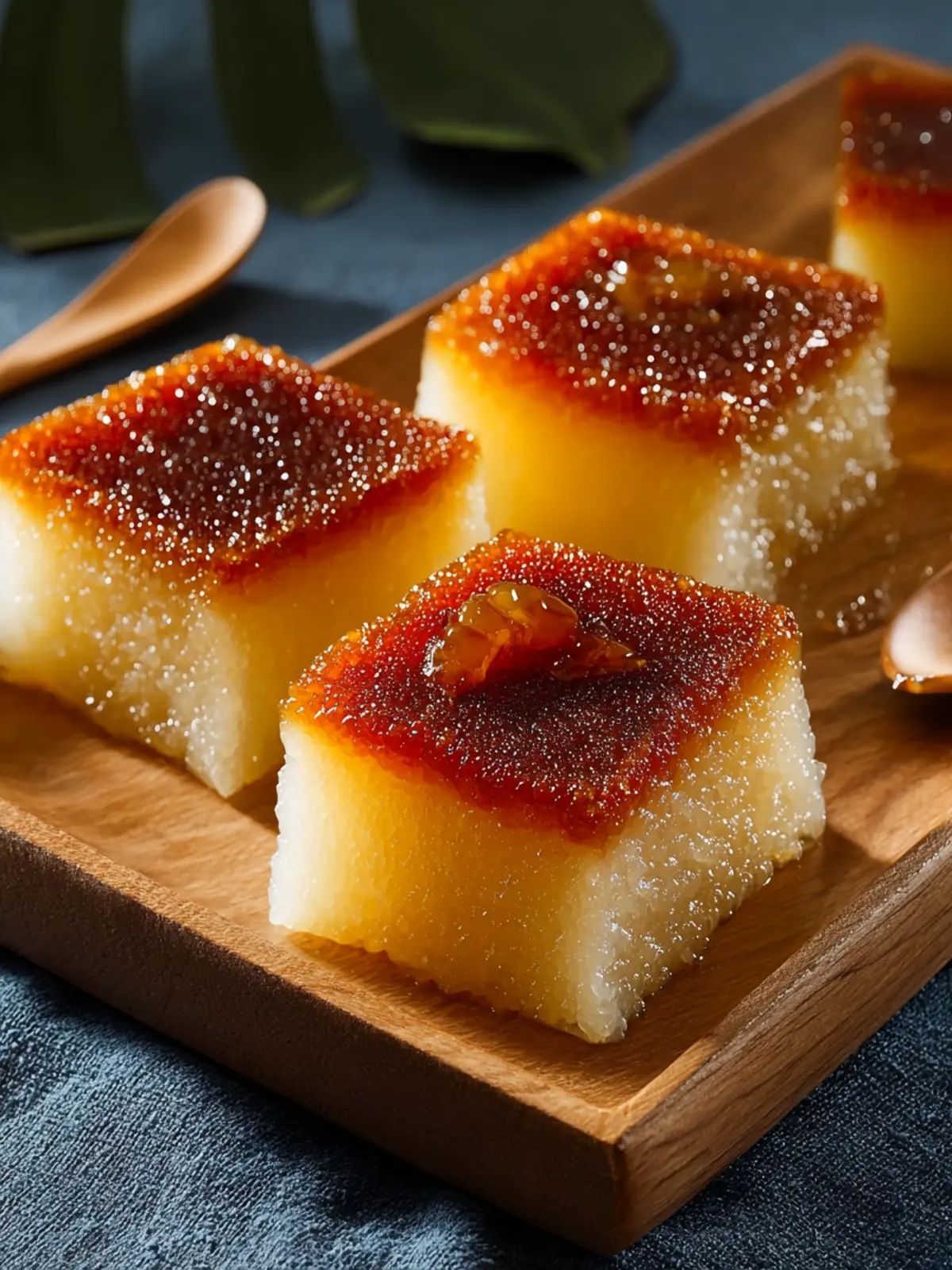
Key Ingredients for Nian Gao
The heart of any Nian Gao recipe lies in its simple yet essential ingredients. Each component plays a vital role in creating that beloved chewy texture and subtly sweet flavor that makes this dish so irresistible.
-
Glutinous Rice Flour: This is the cornerstone of any Nian Gao dish. It’s crucial to use glutinous rice flour, as it provides the characteristic chewiness that we all adore. Regular rice flour won’t create the same delightful texture, so be sure to seek out glutinous!
-
Water: Simple water plays the role of binding all the ingredients together. The amount can vary depending on the moisture you need to achieve that perfect dough consistency.
-
Sugar: For sweetness, I prefer using granulated sugar. It’s the perfect complement to the natural flavors of the rice, enhancing the overall taste of your Nian Gao.
-
Optional Fillings (e.g., red bean paste): Adding a filling is entirely up to you! Red bean paste adds a wonderful flavor dimension and a bit of extra texture, making your Nian Gao even more enjoyable.
Choosing high-quality ingredients results in a delightful texture and flavor, making your homemade Nian Gao worth every effort!
Why You’ll Love This Recipe
Crafting the perfect Nian Gao is more than just following a series of steps—it’s an experience steeped in tradition and creativity that captivates your taste buds. Imagine a dish where every bite offers a delightful chewiness that feels like a warm hug; that’s what this Nian Gao recipe delivers.
-
Simplicity Meets Flavor: The beauty of this recipe lies in its straightforward ingredients. Using rice flour and water, you create a base that reflects a balance of simplicity and depth. The addition of flavors like sweet red bean paste or the bright notes of osmanthus flowers elevates the dish, making it versatile for any occasion.
-
Nostalgic Comfort: If you’ve ever enjoyed Nian Gao during festive celebrations, you’ll appreciate how this recipe can evoke fond memories. The process of making it can be a communal activity, bringing friends and family together, much like how it has been shared across generations.
-
Endless Versatility: Whether you enjoy it as a savory treat or a sweet dessert, the adaptability of Nian Gao offers something for every palate. You can slice it, pan-fry it, or enjoy it steamed—the options are as delightful as the end result.
With this Nian Gao recipe, you’re not just cooking; you’re creating cherished moments and mouthwatering delights that you’ll want to share again and again.
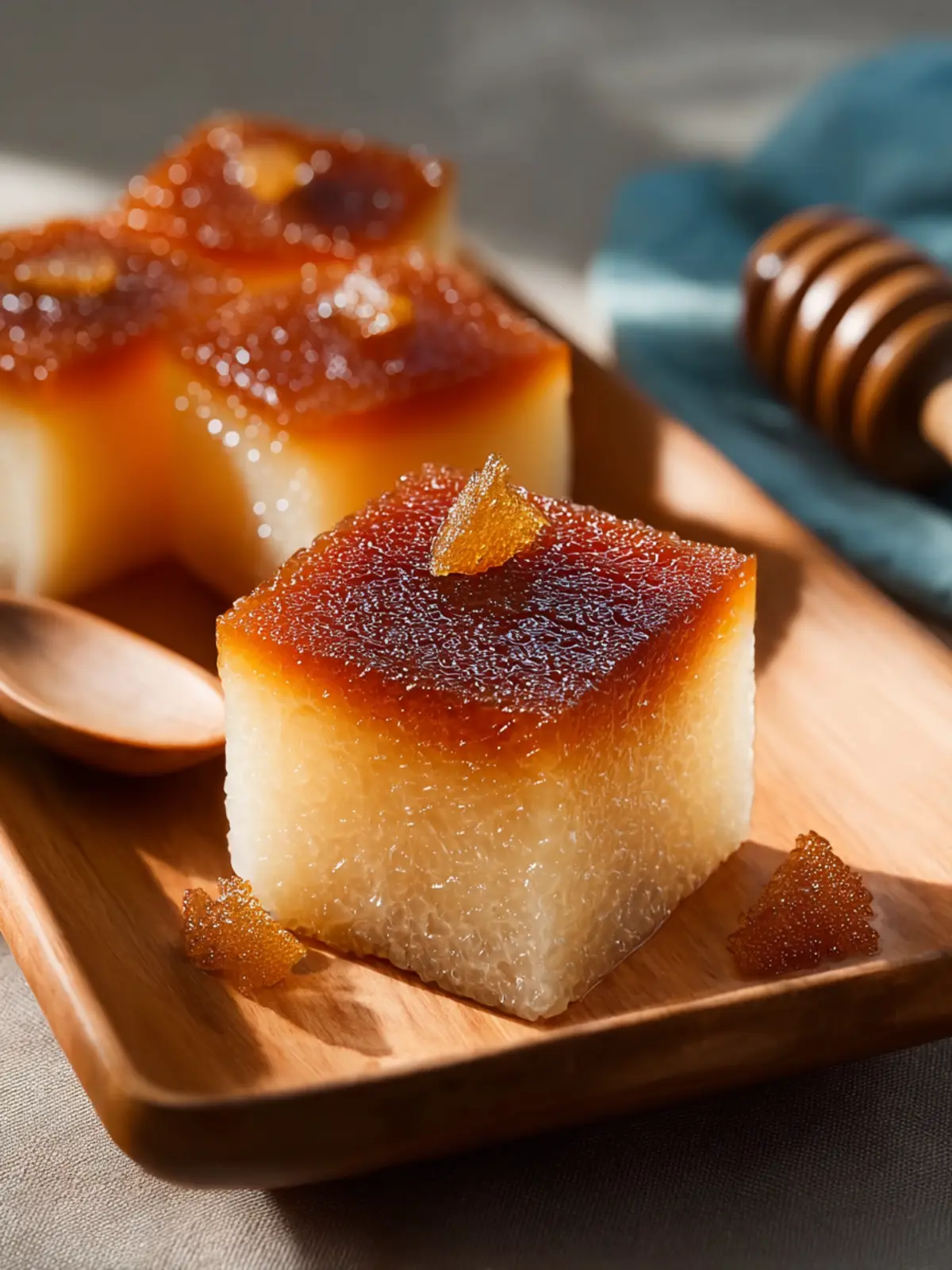
Variations for Nian Gao
Exploring different variations of Nian Gao can transform this traditional mochi cake into a unique culinary experience. This chewy delight isn’t just a festive treat; it can also adapt beautifully to various flavors and ingredients.
Sweet and Savory Additions
- Red Bean Paste: Layering sweet red bean paste inside your Nian Gao adds a rich, sweet element that perfectly complements the chewy texture. You can also top the cake with it for a burst of flavor.
- Savory Fillings: For a twist, consider incorporating savory fillings like mushrooms or minced meat. This creates a hearty dish that works great as a main meal rather than just a dessert.
Flavor Infusions
- Coconut Milk: Substitute part of the water in the Nian Gao recipe with coconut milk for a tropical flair. This adds a layer of creaminess and subtle sweetness.
- Matcha or Cocoa: For color and taste, mix in matcha powder for a green tea version or cocoa powder for a rich chocolate variant. Either option brings an exotic flavor profile that might have your guests asking for seconds.
Decorative Touches
- Sesame Seeds or Nuts: Sprinkle sesame seeds or chopped nuts on top before steaming for added texture and a visual appeal. It’s a simple way to elevate your Nian Gao presentation.
By creatively adjusting the ingredients and flavors, your Nian Gao experience can vary wildly, giving you and your friends a range of delightful options to savor!
Cooking Tips and Notes
Creating the perfect Nian Gao is a delightful journey that brings delicious textures and experiences straight to your table. As you embark on this adventure with your Nian Gao recipe, keep these handy tips in mind to elevate your baking.
Choosing the Right Rice Flour
When preparing your Nian Gao, opt for glutinous rice flour instead of regular rice flour. The former gives that irresistible chewy texture characteristic of this dish. Make sure to sift it well before mixing to avoid lumps.
Sweeteners Matter
Using a combination of brown sugar and white sugar can add depth to the flavor. Brown sugar lends a hint of caramel, while white sugar balances the sweetness seamlessly. Feel free to adjust the sugar levels according to your taste preferences!
Steaming Tips for Perfection
Instead of boiling your cake directly, steaming is the way to go. If you don’t have a steamer basket, placing a heatproof dish on top of a trivet in a pot with simmering water works just fine. Just remember to cover with a lid to keep that moisture in!
Let It Rest
After steaming, allow your Nian Gao to cool completely. This resting period helps it set up properly, making cutting easier. Warm slices are perfect for enjoying with a drizzle of coconut milk or just as they are!
With these helpful notes in mind, your Nian Gao will be a hit at any gathering, showcasing that delightful chewiness everyone loves!
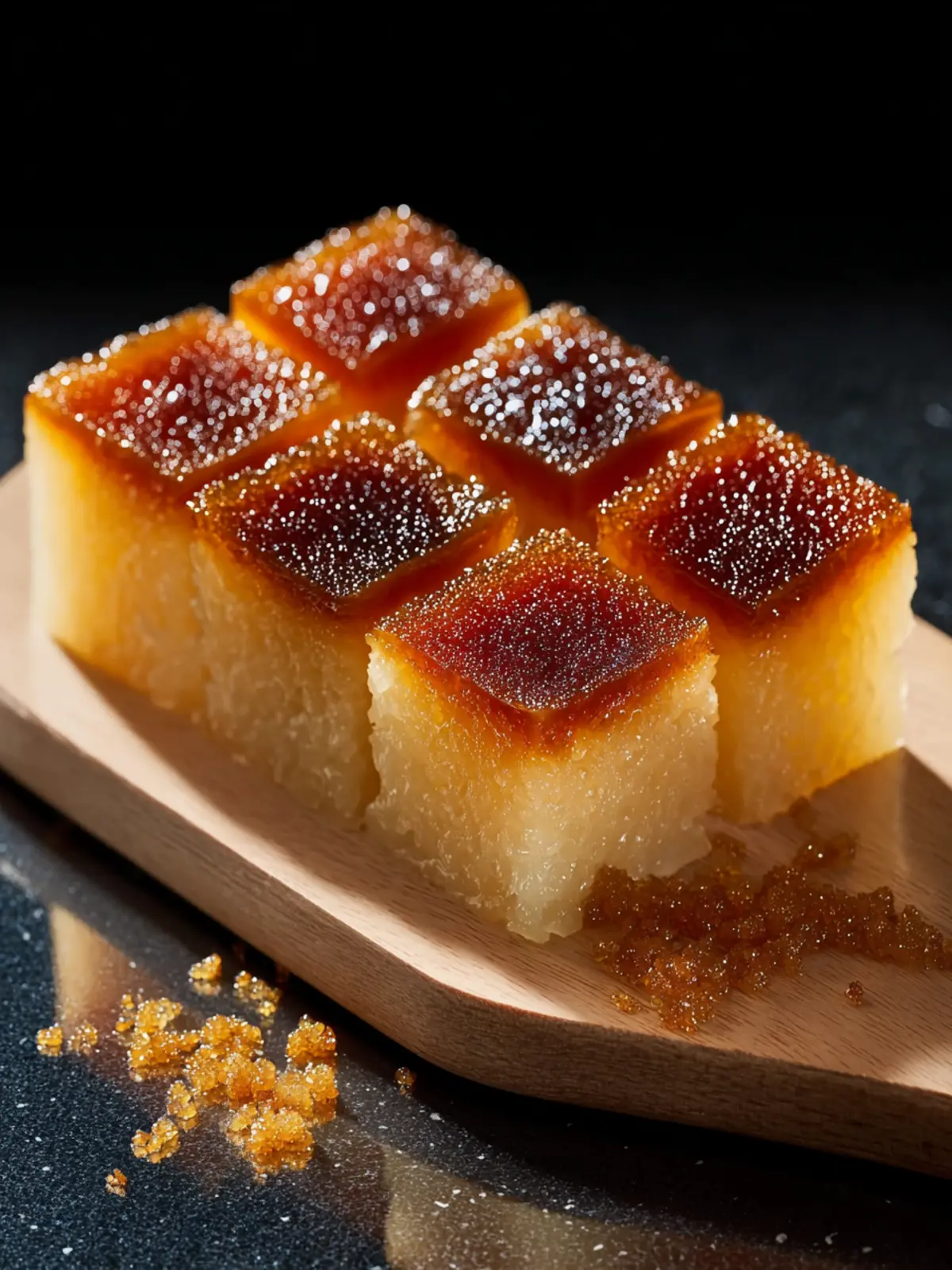
Serving Suggestions for Nian Gao
Enjoying your Nian Gao is all about elevating that delightful chewiness and flavor with the right accompaniments. This delicately sweet glutinous rice cake can be served in various ways that will have your taste buds dancing with joy. Here are some delightful serving suggestions that complement your Nian Gao recipe perfectly.
Sautéed with Savory Sauces
One of my favorite ways to enjoy Nian Gao is to sauté it in a bit of oil with garlic and soy sauce. This method gives the cake a crispy edge while maintaining its chewy center. Pair it with vegetables like bok choy, mushrooms, or snow peas for a colorful and nutritious dish.
Sweet Transformation
If you have a sweet tooth, why not slice it up and pan-fry the cake with a sprinkle of brown sugar or coconut milk? This simple twist caramelizes the exterior while keeping the inside tender and soft. Serve with fresh fruit or a scoop of vanilla ice cream for a delicious dessert.
Perfectly Dipped
Consider serving Nian Gao with some sweetened soy milk for dipping. The warm, creamy liquid is a comforting side that not only enhances the flavor but also adds moisture to every chewy bite.
Festive Presentation
If you’re entertaining or celebrating, slice your Nian Gao into decorative shapes and garnish with vibrant edible flowers or a dusting of powdered sugar. This adds a festive flair that’s sure to impress your guests.
Incorporating these serving suggestions into your enjoyment of Nian Gao will not only enhance its unique texture and flavor but also make each bite an unforgettable experience.
Time Breakdown for Making Nian Gao
Creating a sumptuous Nian Gao is not just about the end result; it’s about enjoying the process that brings this irresistible chewy delight to life. Here’s a straightforward timeline to help you plan your cooking session effortlessly.
Preparation Time
Taking about 30 minutes, this includes gathering your ingredients and preparing the steaming equipment. It’s the perfect time to soak in the aromas of the rice flour and sugar as you mix everything together.
Baking Time
The actual steaming of your Nian Gao will take approximately 60 to 90 minutes. This step fills your kitchen with a warm, comforting scent and transforms your batter into a delectable cake.
Total Time
Overall, from start to finish, expect around 2 to 2.5 hours. With each minute, anticipation builds for that chewy, sweet treat, making it all worthwhile! Enjoy the journey as much as the reward.
Nutritional Facts for Nian Gao
When you dive into making a delightful Nian Gao recipe, it’s important to understand its nutritional benefits. This chewy mochi cake is not only delicious but also provides essential nutrients.
Calories
A typical serving of Nian Gao contains approximately 200 calories. This makes it a satisfying treat without overwhelming your daily intake, perfect for an indulgent dessert.
Protein
Nian Gao offers around 3 grams of protein per serving. While it’s not a high-protein dish, it provides enough to complement other protein sources in your meals.
Sodium
On the sodium side, this dish is fairly low, typically containing about 5 mg per serving. This makes it a heart-friendly option, allowing you to enjoy it while keeping an eye on your sodium intake.
Understanding these facts can help you better enjoy this unique treat while managing your dietary needs.
FAQ about Nian Gao
Nian Gao might seem like a niche delicacy, but its unique chewy texture and rich flavor have earned it a special place in many hearts (and bellies). Whether served plain or dressed up with various toppings, understanding this comfort food can deepen your appreciation for it. Here are some frequently asked questions about this delightful mochi cake.
Can I use alternative flours for Nian Gao?
While traditional Nian Gao recipe calls for glutinous rice flour for that characteristic chewiness, some adventurous bakers might wonder about alternatives. Unfortunately, substituting regular rice flour or other flours will compromise the texture. If you’re gluten-sensitive, however, some brands offer gluten-free glutinous rice flour, which can be a suitable option!
How do I store Nian Gao properly?
To keep your Nian Gao fresh and delicious, it’s essential to store it correctly. Here’s how:
- Room Temperature: If you plan to enjoy it within a few days, wrapping it in plastic wrap and keeping it in a cool, dry place works perfectly.
- Refrigeration: For longer storage, place it in an airtight container in the fridge, where it can last up to 2 weeks.
- Freezing: If you find yourself with a surplus, Nian Gao freezes well! Just slice it beforehand, wrap each piece tightly in plastic, and store them in a freezer-safe bag for up to three months.
What are some common mistakes when making Nian Gao?
Even seasoned bakers can face mishaps! Here are a few pitfalls to avoid:
- Using Regular Rice Flour: This is the most common mistake, as it results in an entirely different texture—less chewy and more gritty.
- Overcooking: Whether steaming or baking, keep an eye on time. Overcooking can lead to a dry and less enjoyable treat.
- Not Allowing to Cool: Letting it rest after cooking is crucial. If you try to cut it too soon, it can become gummy and miss the perfect slice.
With these tips and insights, you’re now better equipped to master your own Nian Gao recipe. Enjoy the journey of making this wholesome dish that brings both flavor and tradition to the table!
Conclusion on Nian Gao
In closing, the Nian Gao recipe absolutely shines as a delightful blend of texture and flavor. This chewy mochi cake is more than just a treat; it symbolizes unity and prosperity in many cultures, making it perfect for celebrations. Remember, crafting Nian Gao isn’t just about the ingredients; it’s about sharing moments with loved ones. As you follow the simple steps of mixing and steaming, envision the happiness it will bring to your table. There’s a reason this dish is cherished—its unique chewiness and the warm, sweet aroma will fill your kitchen with joy. Enjoy your culinary journey!
Print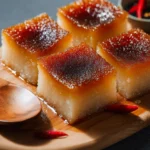
Glutinous Rice Flour Cake
- Total Time: 1 hour
- Yield: 12 servings 1x
- Diet: Vegetarian
Description
A delightful cake made with glutinous rice flour, sugar, and coconut milk that is soft and slightly sweet.
Ingredients
Scale
- 2 cups Glutinous Rice Flour
- 1 cup Sugar
- 3 large Eggs
- 1 cup Coconut Milk (or Whole Milk)
- 1 tbsp Baking Powder
- 1/4 cup Butter (or Oil)
- 1 tsp Vanilla
- 1 tbsp Sesame
- 1 tbsp Citrus Zest
Instructions
- Preheat your oven to 350°F (175°C).
- Grease a baking dish with butter or oil thoroughly.
- Whisk the eggs and sugar in a large bowl until well combined and slightly frothy.
- Stir in the melted butter (or oil) followed by the coconut milk until smooth.
- Gradually add glutinous rice flour and baking powder to the mix.
- Pour the batter into your prepared baking dish and spread it evenly.
- Bake for about 40-45 minutes, or until lightly golden and firm to the touch.
- Cool slightly before slicing into squares or wedges.
Notes
- This cake can be served warm or at room temperature.
- Store leftovers in an airtight container.
- Prep Time: 15 minutes
- Cook Time: 45 minutes
- Category: Dessert
- Method: Baking
- Cuisine: Asian
Nutrition
- Serving Size: 1 square
- Calories: 200
- Sugar: 15g
- Sodium: 50mg
- Fat: 8g
- Saturated Fat: 4g
- Unsaturated Fat: 4g
- Trans Fat: 0g
- Carbohydrates: 30g
- Fiber: 1g
- Protein: 3g
- Cholesterol: 70mg