Follow Me On Social Media!
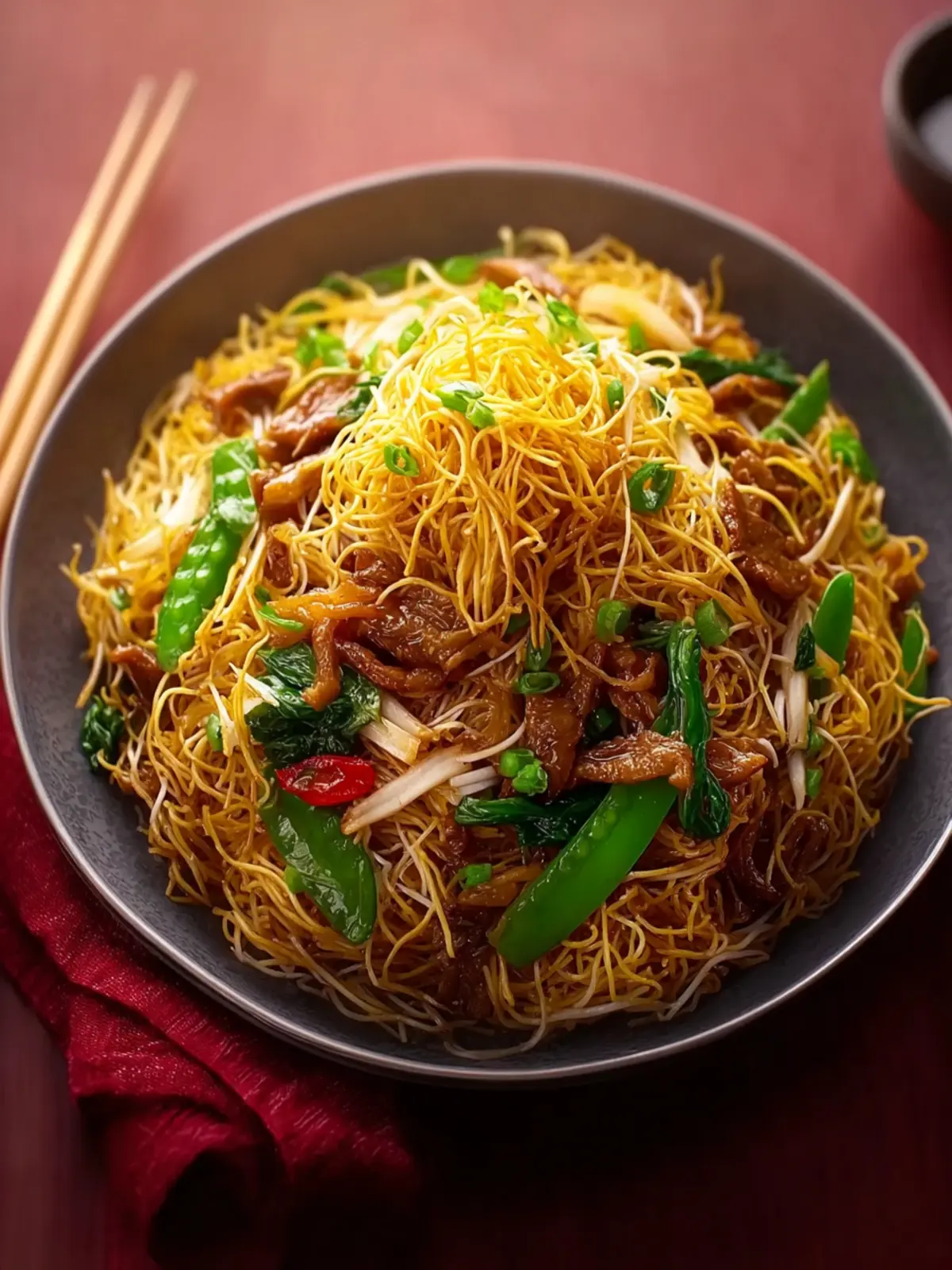
Cantonese Chow Mein: Irresistibly Savory Homemade Delight

Introduction to Cantonese Chow Mein
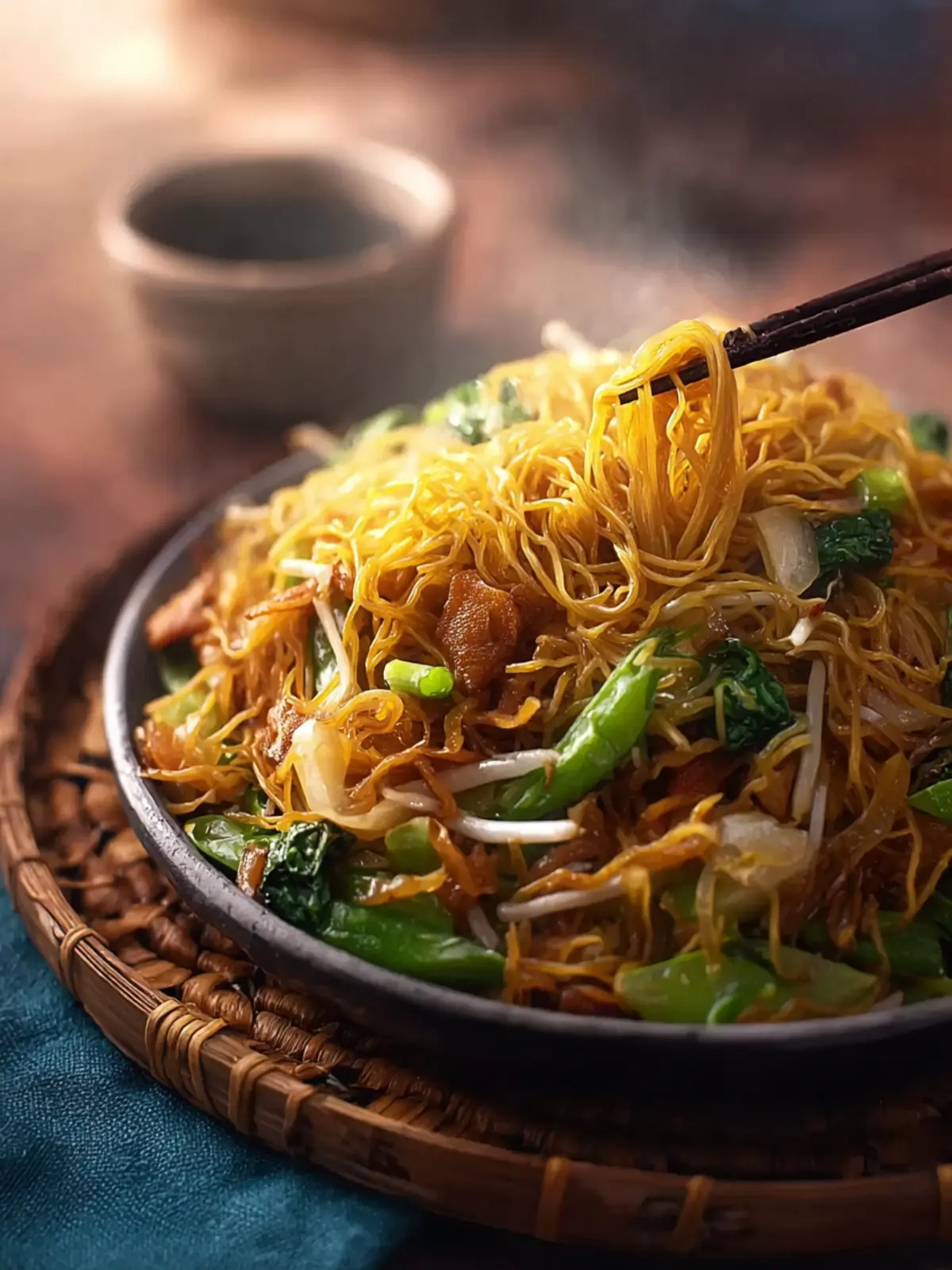
Cantonese Chow Mein is not just another noodle dish; it’s a rich tapestry of flavors and textures that tells a story of community, celebration, and culinary adventure. Picture this: a bustling street in Hong Kong, where the sizzling sound of stir-fried noodles fills the air, mingling with laughter and lively chatter. This is where Cantonese Chow Mein shines, a beloved comfort food that has roots deeply embedded in Cantonese culture. It offers a delightful combination of crispy noodles, fresh vegetables, and protein, all tossed in a savory sauce that dances on your palate.
When you dig into a plate of Cantonese Chow Mein, you’re not just enjoying a meal; you’re experiencing a timeless tradition that has evolved over countless generations. The unique textures—from the slightly chewy noodles to the crisp vegetables—create a wonderful sensory experience that keeps you coming back for more. Whether you’re at your favorite local restaurant or whipping it up in your own kitchen, this dish has a magical way of bringing people together, sparking laughter and anecdotes over a shared table.
What makes Cantonese Chow Mein so special?
One of the key aspects that makes Cantonese Chow Mein stand out is its versatility. You can easily customize it with your choice of protein, such as chicken, beef, or tofu, and a vibrant array of vegetables like bell peppers, bean sprouts, and carrots. The secret lies in the cooking method: quickly stir-frying the ingredients over high heat in a wok. This not only locks in the flavors but elevates the dish with that irresistible ‘wok hei’—a distinct smoky flavor that’s the hallmark of great Chinese cooking.
Moreover, what sets this dish apart are the noodles. Unlike other forms of Chow Mein, Cantonese versions often feature thin egg noodles that can be either soft or fried to a golden crisp, creating a delightful contrast in textures. Whether you’re in a rush or looking to entertain guests, this dish can be easily adapted, making it a staple for busy weeknights or gatherings with friends.
So, next time you’re in the mood for a dish that bursts with flavor and reflects the warmth of community, don’t overlook the charm of Cantonese Chow Mein. It’s more than just a meal; it’s a heartfelt connection to a rich culinary heritage.
Key Ingredients for Cantonese Chow Mein
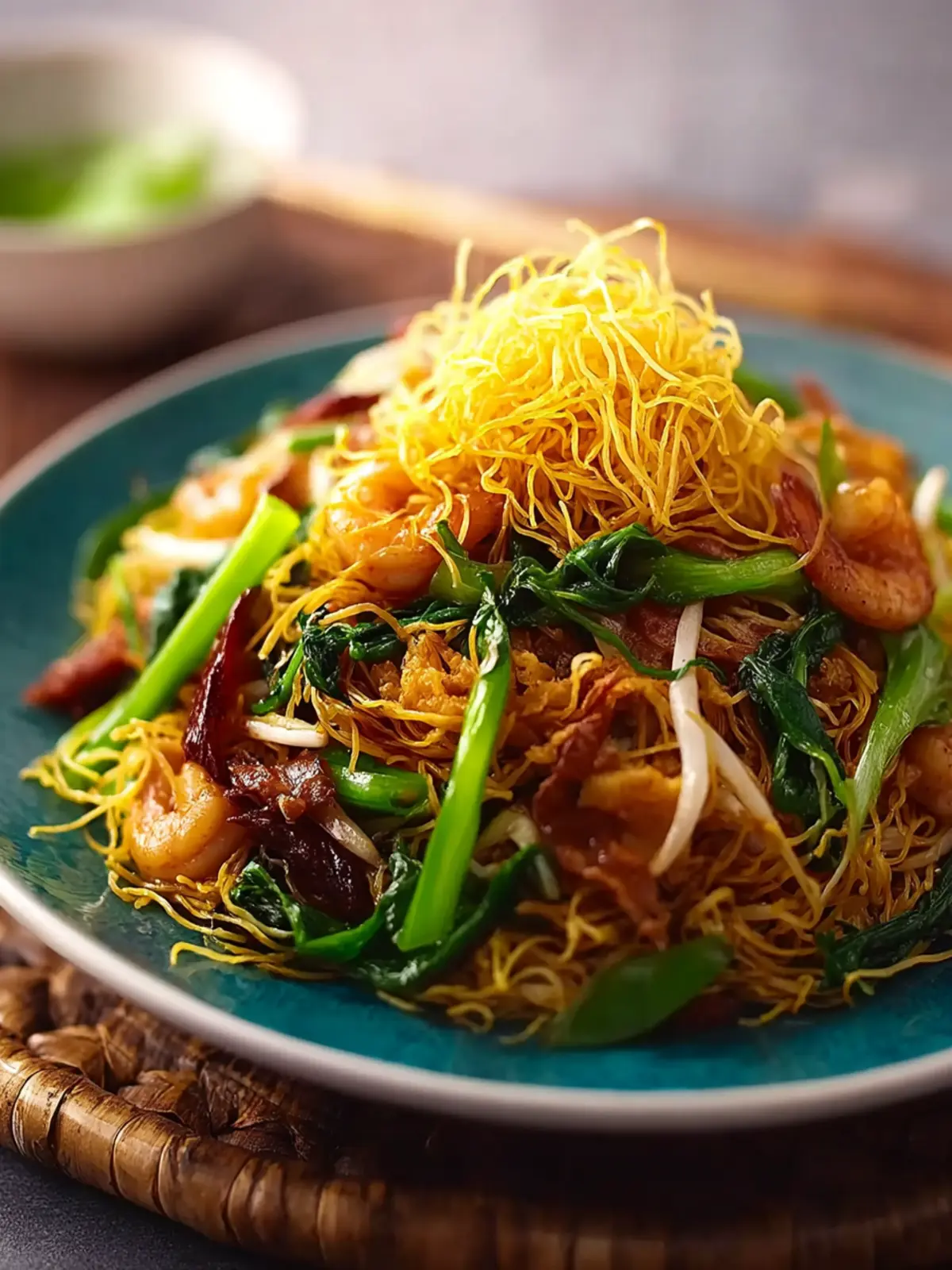
Fresh Noodles: A crucial element in Cantonese Chow Mein is fresh egg noodles. They provide that delightful chewiness that ties the whole dish together. While dried noodles can work in a pinch, a vibrant texture can only be achieved with fresh!
Vegetables: I like to load my chow mein with colorful quick-cook veggies; think bell peppers, snap peas, and carrots. Not only do they add a pop of freshness, but they also balance the dish’s rich flavors.
Soy Sauce: This is where the magic happens. A good splash of soy sauce lends both umami and saltiness, harmonizing with other ingredients. Dark soy sauce adds a bit of sweetness and depth.
Protein: Whether you prefer chicken, shrimp, or tofu, a protein boost gives the dish heartiness. I often marinate my choice in a mixture of soy sauce and cornstarch for extra flavor.
Sesame Oil: Just a drizzle at the end infuses the dish with a nutty aroma that elevates your Cantonese Chow Mein experience.
Why You’ll Love This Cantonese Chow Mein
Cantonese Chow Mein is not just a dish; it’s a delightful culinary journey that captures the essence of comfort food. Picture this: you come home after a long day, eagerly craving that perfect balance of crispy noodles, vibrant veggies, and savory sauce. The aroma that fills your kitchen as you prepare this dish is enough to transport you straight to a bustling street market in Hong Kong.
The Perfect Crunch
One of the standout features of Cantonese Chow Mein is the textural contrast. The noodles are stir-fried to a golden crisp, offering a satisfying crunch with every bite. This crispy contrast to the tender vegetables creates a delightful eating experience that feels celebratory, even on a typical weeknight.
So Versatile
Whether you’re vegetarian, vegan, or a meat lover, you can personalize this dish to fit your dietary preferences. Toss in your favorite protein—be it chicken, shrimp, or tofu—and watch how it transforms into a satisfying meal that feels tailor-made just for you.
Speedy and Easy
Perfect for young professionals on the go, this recipe is quick and simple. In under 30 minutes, you have a restaurant-worthy meal that impresses friends and fuels your evenings.
Ultimately, Cantonese Chow Mein is not just about eating; it’s about sharing stories around the dinner table and enjoying the flavors that remind you of home. Savor each bite, and you’ll understand why this dish holds a special place in so many hearts (and stomachs).
Tips for Making Perfect Cantonese Chow Mein
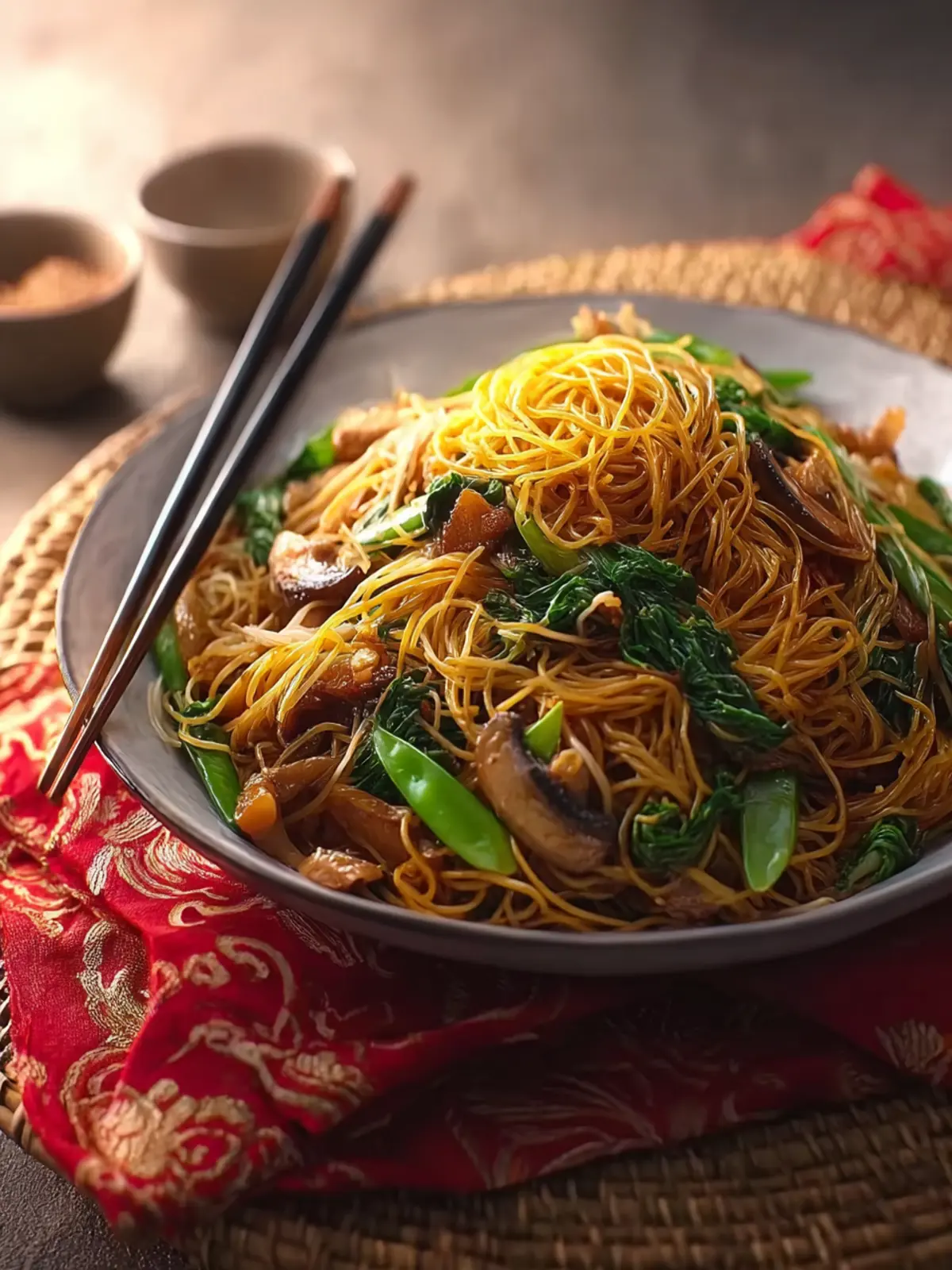
Creating delicious Cantonese Chow Mein at home is not just about following a recipe; it’s about sharing a love for food that brings people together. Imagine the aroma of fresh ingredients sizzling in the wok, transporting you to your favorite neighborhood Chinese restaurant. Here are some valuable tips to help you achieve the perfect dish.
Choose the Right Noodles
For an authentic Cantonese Chow Mein, use fresh egg noodles if you can find them. They have a rich flavor and firm texture that holds up beautifully when stir-fried. Dried noodles are also a good choice; just remember to cook them until al dente before adding to the pan.
Master the Stir-Fry Technique
The key to achieving that glorious, slightly crispy texture is high heat. Ensure your wok or skillet is hot before adding oil. Stir-fry your vegetables and proteins quickly to seal in their flavors, and make sure to add the noodles last to avoid overcooking them.
Balancing Flavors
A well-balanced sauce can elevate your Cantonese Chow Mein. Use a combination of light soy sauce for saltiness, oyster sauce for depth, and a hint of sesame oil for richness. Adjust according to your taste, but don’t overpower the natural flavors of your fresh ingredients.
Don’t Crowd the Pan
This is crucial! If you add too much food to the wok at once, it will lower the temperature and cause steaming instead of searing. Cook in batches if needed, and allow each component to shine.
By following these tips, you’ll be well on your way to making a delightful Cantonese Chow Mein that’s sure to impress family and friends alike. Enjoy the culinary adventure!
Time Details for Cantonese Chow Mein
When you think of Cantonese Chow Mein, the bustling streets of Hong Kong come to mind, with woks sizzling and vibrant flavors wafting through the air. This dish may seem intricate, but it’s quite approachable with just a bit of organization.
Preparation Time
Getting ready for your Cantonese Chow Mein doesn’t take long! You’ll need about 15 minutes to chop the vegetables and prepare the noodles.
Cooking Time
The actual cooking is swift, taking about 10 minutes. You’ll be amazed at how quickly everything comes together once the heat is on!
Total Time
All in all, you’re looking at around 25 minutes from start to finish. Perfect for a tasty weeknight dinner or a quick lunch that impresses!
Nutritional Information for Cantonese Chow Mein
Cantonese Chow Mein is not only a delightful dish, but it’s also packed with nutrition, making it a great addition to your meal rotation. Here’s a closer look at the key nutritional elements.
Calories
One serving of Cantonese Chow Mein contains approximately 400 calories. This makes it a balanced option for lunch or dinner, providing energy without overwhelming you with excess calories.
Protein
Protein is essential for maintaining and repairing body tissues. Each serving of Cantonese Chow Mein offers about 15 grams of protein, thanks to the combination of meat, vegetables, and the egg noodles. This serves to keep you full and satisfied throughout the day.
Sodium
While flavor-enhancing, soy sauce contributes to the sodium content in Cantonese Chow Mein. On average, a serving contains around 800 milligrams of sodium. If you’re watching your salt intake, consider using low-sodium soy sauce or adjusting the amount to suit your dietary needs.
With this nutritional breakdown, you can enjoy your Cantonese Chow Mein with a clearer understanding of its benefits and how it fits into your dietary goals.
FAQs about Cantonese Chow Mein
Cantonese Chow Mein brings a delightful mix of textures and flavors to the table, making it an irresistible choice for dinner. If you’ve just embarked on your culinary journey with this dish or are a seasoned home cook looking to refine your skills, you might have a few questions. Let’s dive right in!
What is the best type of noodle to use for Cantonese Chow Mein?
For authentic Cantonese Chow Mein, the best noodles are fresh egg noodles. They possess a lovely springy texture that cooks beautifully, giving you that classic stir-fried crunch. If fresh noodles aren’t available, dried egg noodles can be a suitable substitute. Just make sure to cook them al dente so they hold up well in the frying process.
Can I substitute the meat in this recipe?
Absolutely! One of the fantastic aspects of Cantonese Chow Mein is its flexibility. If you’re looking to make it vegetarian, tofu or a medley of your favorite vegetables work wonderfully. For meat lovers, chicken, beef, or shrimp can all be excellent alternatives. Just remember to adjust cooking times based on the protein you choose.
How do I store leftover Cantonese Chow Mein?
Storing your Cantonese Chow Mein is easy, and it can taste just as great the next day! Simply place the leftovers in an airtight container in the fridge. They’ll stay fresh for up to three days. When reheating, a splash of water can help revive the noodles’ texture; just toss them in a pan and stir-fry until heated through.
Conclusion on Cantonese Chow Mein
In celebrating the incredible flavors of Cantonese Chow Mein, we’ve uncovered a dish that goes beyond mere noodles. This recipe brings together the vibrancy of fresh vegetables, savory protein, and a delightful sauce that harmonizes every bite. Whether you’re preparing a quick weeknight meal or impressing guests with your culinary skills, this classic dish fits the bill perfectly. Don’t hesitate to experiment with different proteins or veggies to make it your own! With each stir-fry, you’ll embrace the joy of cooking and the warmth of sharing a meal with loved ones, creating lasting memories around the dinner table. Enjoy your culinary adventure!
Print
Crispy Noodles Stir-Fry
- Total Time: 35 minutes
- Yield: 4 servings 1x
- Diet: Gluten-Free
Description
A delightful stir-fry featuring crispy noodles topped with a savory combination of marinated beef, shrimp, and fresh vegetables.
Ingredients
Scale
- 14 oz fresh Hong Kong-style egg noodles
- 2 tablespoons neutral oil
- 6 oz beef sirloin, thinly sliced
- 6 oz shrimp, peeled and deveined
- 1 tablespoon oyster sauce
- 1 tablespoon light soy sauce
- 1 teaspoon cornstarch
- 1 tablespoon oil (for stir-frying)
- 2 cloves garlic, minced
- ½ onion, sliced
- 1 small carrot, julienned
- ½ cup napa cabbage, sliced
- ½ cup baby bok choy, sliced
- ½ red bell pepper, sliced
- 4 shiitake mushrooms, sliced
- 1 tablespoon oyster sauce (for the sauce)
- 1 tablespoon light soy sauce (for the sauce)
- 1 teaspoon dark soy sauce
- 1 teaspoon sugar
- ½ teaspoon sesame oil
- 1 teaspoon cornstarch (for the sauce)
- ½ cup chicken broth
Instructions
- Prepare the Noodles: Bring a large pot of water to a boil. Add the fresh egg noodles and cook for 1 minute, just until they separate. Drain and rinse under cold water. This stops the cooking process and keeps them from becoming mushy.
- Crisp the Noodles: Heat 1 tablespoon of oil in a large non-stick or cast-iron skillet over medium heat. Add the noodles, spreading them into a flat circle. Press gently with a spatula to form a crust. Let them fry undisturbed for 5–7 minutes or until golden brown on the bottom. Carefully flip (you can cut into halves to flip more easily) and cook the other side for another 5 minutes. Remove and place on a large serving plate.
- Marinate the Beef: While the noodles crisp, toss the beef slices with oyster sauce, soy sauce, and cornstarch. Let it sit for 10–15 minutes to tenderize and soak in flavor.
- Stir-Fry the Meat and Vegetables: Heat 1 tablespoon of oil in a wok or skillet over medium-high heat. Sear the marinated beef until it’s about 80% cooked, then add the shrimp. Cook until both are just done, about 2–3 minutes. Remove from the pan and set aside. In the same pan, add garlic and onions. Stir-fry for 1 minute until fragrant. Add all the vegetables and cook until just tender, about 3–4 minutes.
- Make the Sauce: In a small bowl, mix all the sauce ingredients together. Pour the sauce into the pan with the vegetables and bring to a simmer. Add the beef and shrimp back in and stir everything together until coated in the glossy gravy. Let it simmer for another minute until the sauce thickens.
- Assemble: Spoon the hot stir-fry mixture over the crispy noodles. Serve immediately, ideally with chopsticks and a side of chili oil for those who love a bit of heat.
Notes
- Ensure to rinse the noodles well after boiling to avoid stickiness.
- Customize the vegetables based on your preference.
- Serve immediately for the best texture.
- Prep Time: 15 minutes
- Cook Time: 20 minutes
- Category: Main Dish
- Method: Stir-Fry
- Cuisine: Asian
Nutrition
- Serving Size: 1 plate
- Calories: 560
- Sugar: 3g
- Sodium: 800mg
- Fat: 20g
- Saturated Fat: 3g
- Unsaturated Fat: 15g
- Trans Fat: 0g
- Carbohydrates: 70g
- Fiber: 5g
- Protein: 35g
- Cholesterol: 150mg