Follow Me On Social Media!

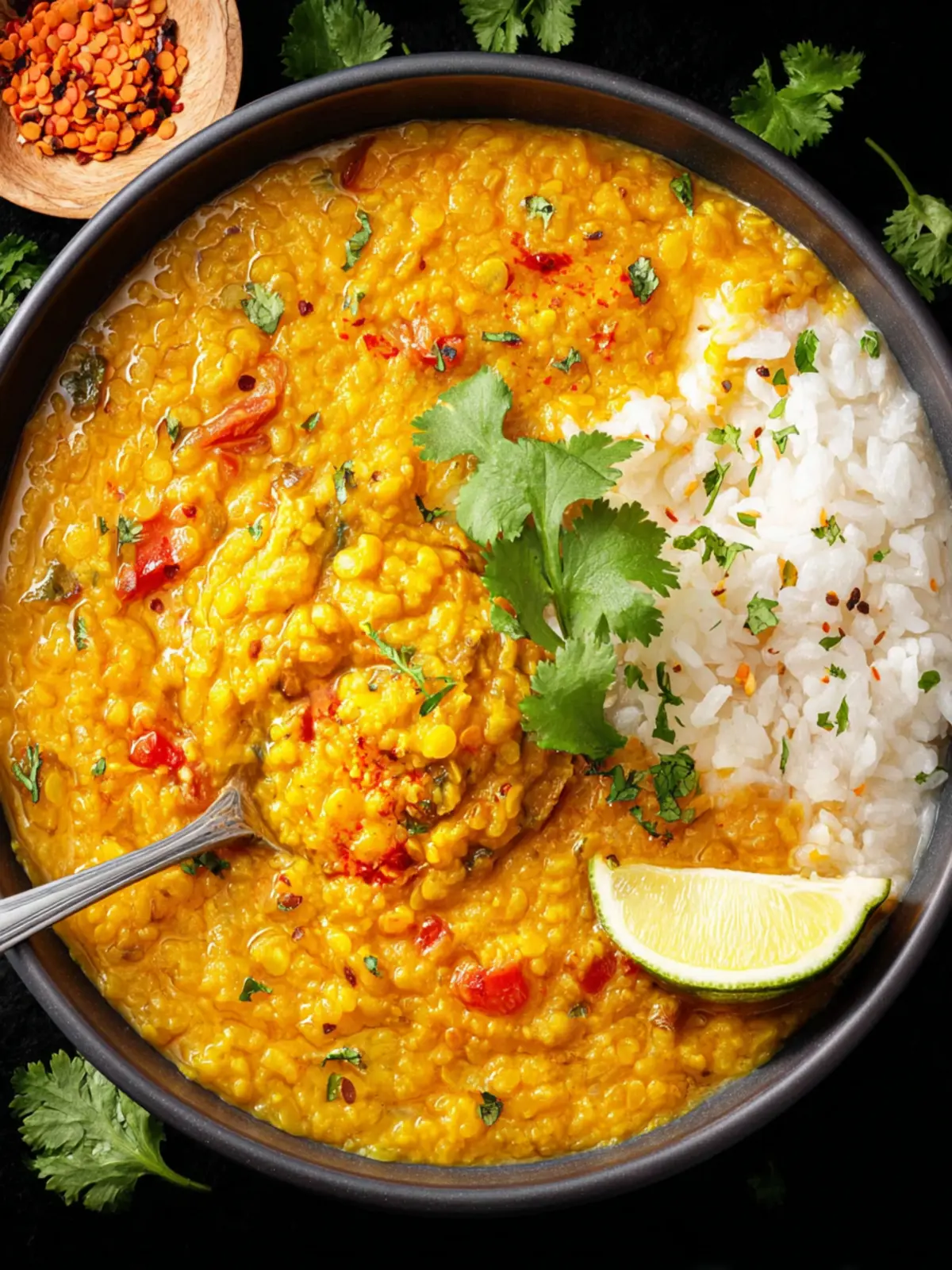
Moong Dal: The Best Comfort Dish You’ll Crave Again!

Introduction to Moong Dal (Mung Daal)
Every time I prepare Moong Dal, I’m reminded of the warm gatherings around my grandmother’s table, where the comforting aroma of this simple yet delightful dish filled the air. Moong Dal, known for its luscious texture and earthy flavor, is more than just a meal; it’s a culinary embrace that evokes memories and stories shared over hearty conversations. Whether it’s a busy weekday dinner or a festive family gathering, Moong Dal seamlessly fits into any occasion, making it a cherished ingredient in many kitchens, including my own.
What makes Moong Dal a staple?
The answer lies in its remarkable versatility and health benefits. This golden split pulse is celebrated not only for its delightful taste but also for its impressive nutritional profile. Here’s why Moong Dal deserves a spot in your pantry:
-
High in Protein: A go-to choice for vegetarians and vegans, Moong Dal is packed with protein—offering more than 14 grams per cooked cup. It’s an excellent source of plant-based proteins, making it perfect for fueling a busy lifestyle.
-
Digestive Friendly: Unlike some lentils, Moong Dal is renowned for being easy on the stomach. It’s often used in Ayurvedic practices due to its low levels of antinutritional factors, making it suitable for those sensitive to legumes.
-
Quick Cooking: Another perk of Moong Dal? It cooks remarkably fast. In under 30 minutes, you can transform this simple ingredient into a creamy dish, ideal for anyone racing against the clock.
-
Nutrient-Rich: In addition to protein, Moong Dal provides various essential vitamins and minerals such as folate, magnesium, and potassium, contributing to a well-balanced diet.
-
Culinary Flexibility: From soups to curries to salads, Moong Dal can adapt to various culinary styles. Its mild flavor blends well with a myriad of spices—making it a canvas for endless culinary creations.
The next time you’re looking to prepare a dish that’s soothing, nutritious, and steeped in tradition, reach for Moong Dal. Your taste buds, as well as your body, will thank you.

Key Ingredients for Moong Dal
Moong Dal is often celebrated for its wholesome goodness and adaptability in various dishes. The building blocks of this healthy lentil dish are not only nutritious but also elevate the flavors to something truly special.
-
Moong Dal (Split Yellow Mung Beans): For the heart of this recipe, I prefer using fresh split yellow mung beans. They’re quick to cook and have a mild flavor that absorbs spices beautifully. Plus, they offer a fantastic source of protein and fiber.
-
Onion: Chopped finely, onions lend a sweet and savory depth to the dal. I usually sauté them until they’re golden brown to bring out their natural sugars, creating a beautiful balance.
-
Tomato: Juicy tomatoes add acidity and freshness, brightening the dish. Heirloom varieties work wonders, but any ripened variety will do the trick.
-
Spices: A fragrant combination of cumin seeds, turmeric, and coriander powder is essential. These spices not only enhance taste but also contribute to the dish’s health benefits.
-
Garlic and Ginger: Freshly minced garlic and ginger provide a robust aroma and an invigorating flavor. Their inclusion is non-negotiable in my kitchen!
-
Cilantro: Lastly, fresh cilantro as a garnish ties everything together with a punch of brightness, adding color and a herbaceous note.
With these simple yet powerful ingredients, your Moong Dal will be a comforting and nutritious delight that brings warmth to the table.
Why You’ll Love This Moong Dal
Moong Dal is more than just a dish; it’s a warm hug in a bowl. This delectable Indian lentil soup is beloved for its rich flavor and comforting texture. Whether you’re winding down after a long day or seeking something satisfying yet healthy, Moong Dal is the answer.
A Nutritional Powerhouse
When it comes to nourishing meals, few ingredients compare to moong dal. Packed with protein, fiber, and essential nutrients, this dish fits perfectly into a balanced diet. It’s perfect for young professionals who are busy yet mindful of their health.
Effortlessly Delicious
What sets this Moong Dal apart is how simple it is to prepare. With ingredients you probably already have in your pantry, you can whip up a delicious and fulfilling meal in no time. Imagine coming home, tossing everything into a pot, and letting it simmer while you kick back after a tiring day.
Versatile and Customizable
Moong dal is a versatile dish that can be tailored to your taste. Want it spicier? Add some extra chili. Prefer a touch of sweetness? Carrots or a bit of jaggery will do the trick. The options are limitless, making it a dish you’ll want to revisit often.
This delightful combination of warmth, nutrition, and flexibility is what truly makes Moong Dal a beloved staple in many kitchens. Dive in, and let every bowl tell its own unique story!
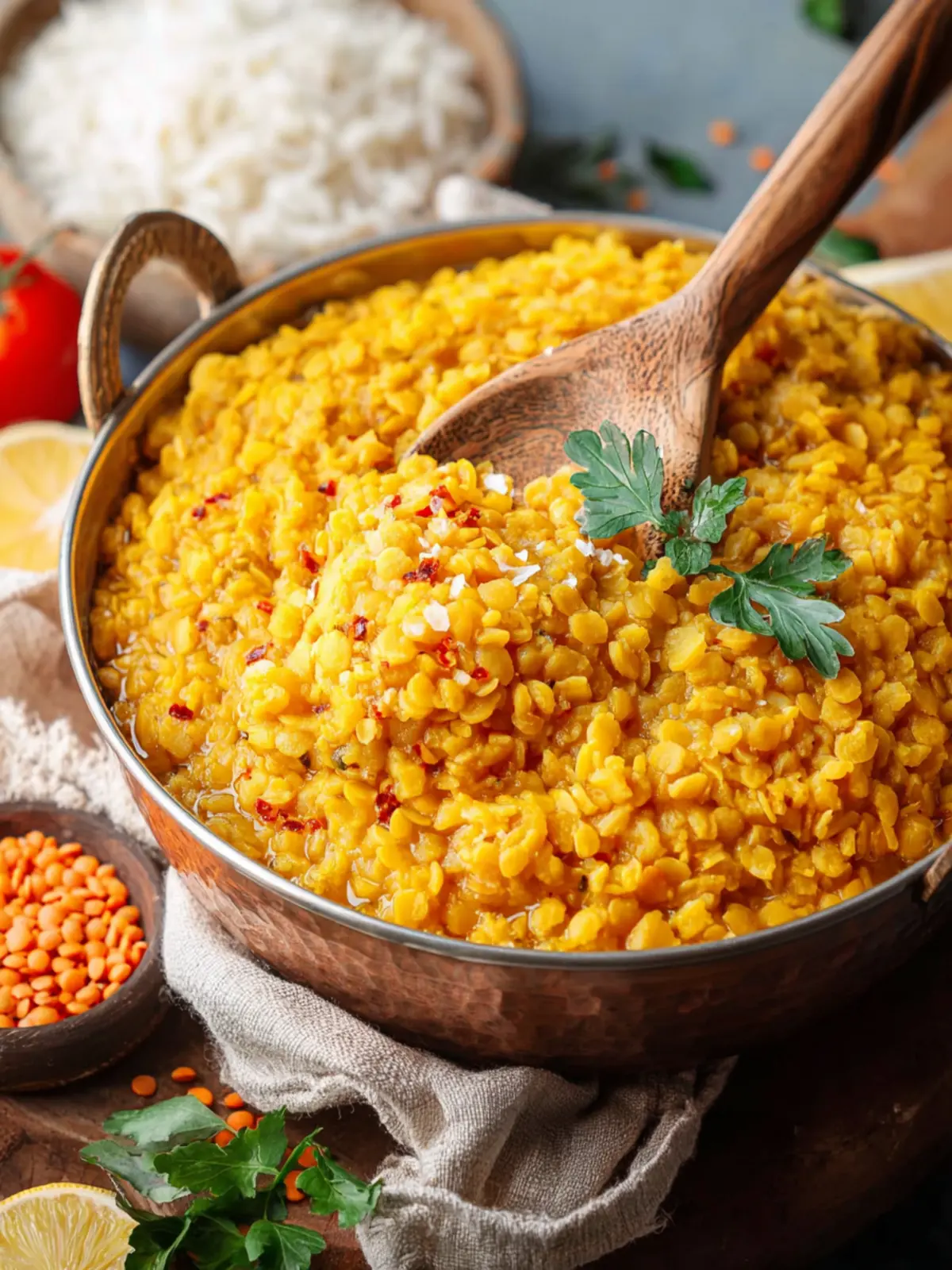
Variations of Moong Dal
Moong Dal is a versatile and cherished dish that can adapt to your taste preferences and seasonal ingredients. Each variation tells its own delicious story, reflecting the diversity of Indian cuisine and personal flair.
Classic Moong Dal
The simplest form of Moong Dal brings warmth and comfort. With only yellow split moong beans, turmeric, and a pinch of salt cooked together, this dish is often served with a side of steaming rice or warm roti. The addition of a tempering of mustard seeds, curry leaves, and dried red chilies elevates this humble recipe to a beloved classic.
Spinach Moong Dal
For those looking to infuse more greens into their meals, adding spinach to Moong Dal creates a nutrient-packed dish that’s perfect for any day. The earthy taste of spinach pairs wonderfully with the subtle flavors of the dal, and it adds vibrant color to your plate.
Spicy Moong Dal
If you enjoy a little heat, a spicy variation brings a delightful kick to the traditional recipe. By incorporating green chilies, ginger, and garlic into your tempering, you create a robust flavor profile that awakens the senses. Don’t forget to adjust the spice levels based on personal preference!
Moong Dal with Coconut
In southern India, coconut is often added to enhance the richness of Moong Dal. Grated coconut blended with the dal gives it a creamy texture while lending a subtle sweetness that pairs beautifully with the spices. This variation is especially delightful when enjoyed with soft appams or dosa.
With these variations, you’ll discover that Moong Dal is more than just a dish; it’s an invitation to experiment in the kitchen!
Cooking Tips and Notes for Moong Dal
Cooking with Moong Dal is not just about following a recipe; it’s an adventure of flavors and textures that can be tailored to your personal tastes. The first time I tasted moong dal, I was captivated by its comforting aroma, and that’s something you can achieve too with a few tips.
Choosing the Right Moong Dal
- Split vs. Whole: If you’re looking for a creamier texture, split moong dal is your best bet. Whole moong dal retains a nuttier flavor and texture. Choose based on your dish’s requirement!
- Freshness Matters: Always check the packaging date. Fresh moong dal ensures better taste and faster cooking times.
Cooking Techniques
- Soaking: Soaking moong dal for just 30 minutes can significantly reduce cooking time. It helps in softer dal and better digestion.
- Ghee for Flavor: Cooking your spices in ghee (clarified butter) before adding moong dal elevates the flavors. It’s a game changer!
- Consistency: Remember, the consistency can range from soupy to thick. Adjust the water based on how you like it. Generally, about 3 cups of water for every cup of moong dal works well.
Seasoning and Pairing
- Spices Galore: Don’t shy away from experimenting with different spices. Cumin, turmeric, or a pinch of asafetida can add depth to your moong dal.
- Serve with Style: For a complete meal, pair your moong dal with steamed rice or warm naan along with a side of pickles and yogurt.
With these tips, your moong dal will go from good to unforgettable! Happy cooking!
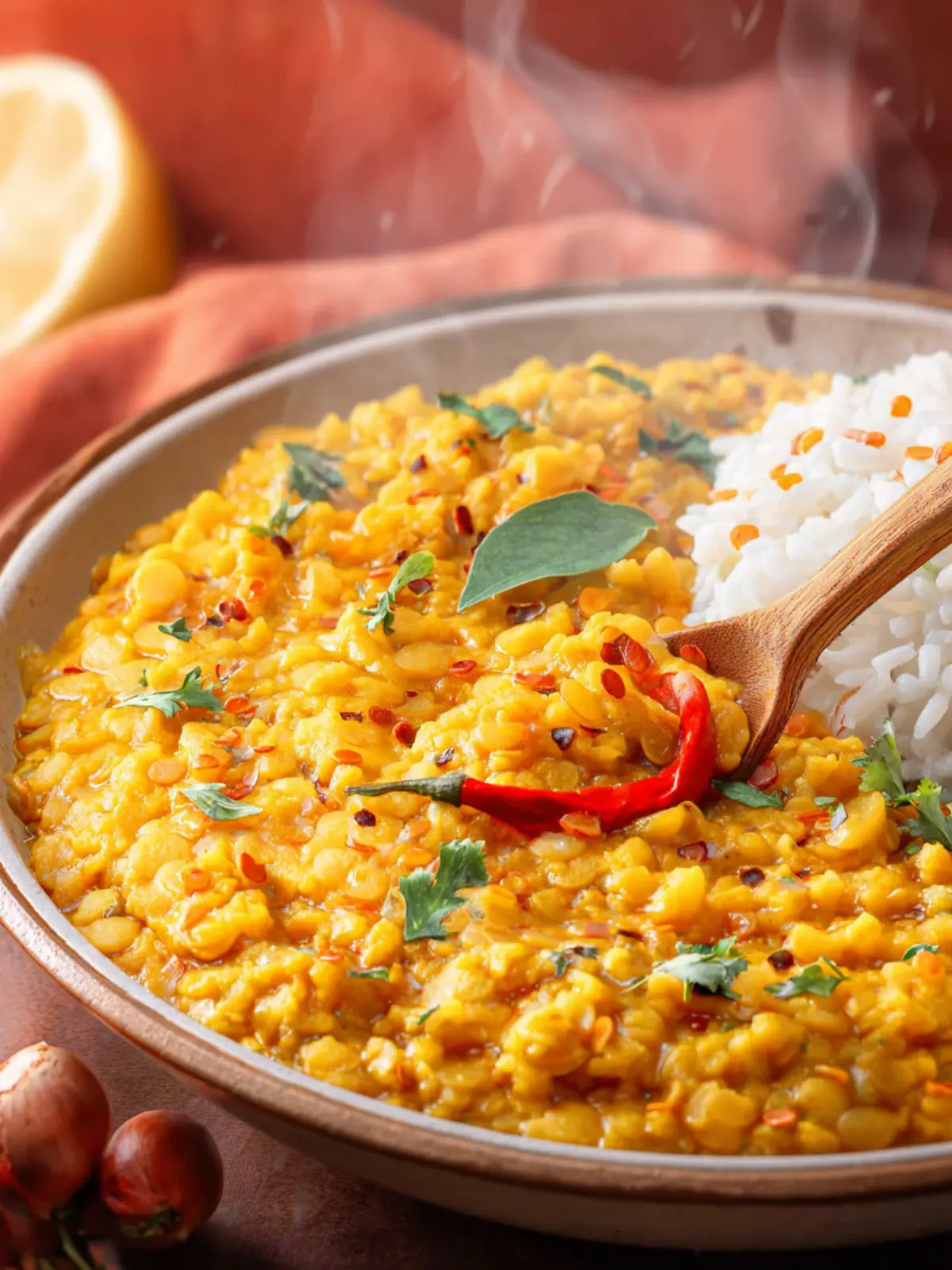
Serving Suggestions for Moong Dal
Finding the perfect way to enjoy your Moong Dal can transform an ordinary meal into an extraordinary experience. This versatile dish, known for its rich protein content and comforting texture, can be paired creatively to suit any occasion.
Accompaniments that Shine
-
Basmati Rice: The fragrant aroma of basmati rice makes it an ideal base for Moong Dal. A scoop of dal over a bed of fluffy rice turns each bite into a comforting hug.
-
Chapati or Naan: Nothing beats dipping a warm, soft chapati into Moong Dal. The flavors meld perfectly, creating a delightful that encourages second helpings!
Flavor Boosters
-
Fresh Cilantro and Lemon Juice: A sprinkle of chopped cilantro adds a refreshing crunch, while a squeeze of lemon brightens the dish, enhancing its natural flavors. This simple addition can elevate your meal!
-
Pickles: A side of tangy mango or lime pickle can bring a delightful contrast to the comforting, mellow taste of Moong Dal.
Pairing Suggestions
-
Vegetable Curry: Serve your Moong Dal alongside a vegetable curry. The combination of flavors not only enriches your plate but also ensures a colorful and nutritious meal.
-
Raita: To cool things down, consider a side of yogurt raita. The creamy tang is a perfect counter to the warming spices often found in dal.
Incorporating these suggestions will enhance your enjoyment of Moong Dal and ensure each meal is a celebration of flavors and textures.
Time Breakdown for Moong Dal
Preparation Time
To dive into the delightful world of Moong Dal, set aside about 15 minutes for preparation. This includes rinsing the dal thoroughly, chopping any vegetables or aromatics, and gathering your spices. The small effort in prep will pay off in rich flavors when you savor the dish!
Cooking Time
The cooking time for your Moong Dal will take roughly 25 to 30 minutes. If you’re using a pressure cooker, the time may be reduced significantly, so keep that in mind as you plan your meal. Just imagine the fragrance wafting through your kitchen as the dal simmers away!
Total Time
All in all, you’re looking at a total of about 45 to 55 minutes from start to finish. This means you’ll have a hearty, comforting dish ready to serve in less than an hour, perfect for those weeknight dinners when you crave something nourishing yet quick. Enjoy the warm, delicious experience of Moong Dal!
Nutritional Facts for Moong Dal
Delving into the world of Moong Dal, you’ll find not just a delightful dish but also a powerhouse of nutrition. This humble lentil is a staple in many households, celebrated for its health benefits and versatility in the kitchen.
Calories
In a standard serving of Moong Dal, you’ll find approximately 100 calories. This makes it a fantastic choice for those looking to maintain a balanced diet without sacrificing flavor.
Protein
Packed with protein, Moong Dal offers about 7 grams per serving. This makes it an excellent vegetarian protein source, ideal for fueling your busy lifestyle or post-workout recovery.
Fiber
With about 8 grams of dietary fiber per serving, Moong Dal supports healthy digestion. Including fiber-rich foods like this lentil in your meals can keep you feeling fuller for longer and promote overall well-being.
FAQ About Moong Dal
Exploring the world of Moong Dal, a nutritious and versatile dish, can lead to kitchen adventures you may not have imagined. This delectable lentil dish is not just easy to make, but it also adapts well to various ingredients, making it perfect for busy weeknights.
Can I substitute ingredients in Moong Dal?
Absolutely! Moong Dal is incredibly flexible. If you’re out of certain spices, feel free to experiment with what you have on hand. For example:
- Spices: Substitute cumin with coriander or add a pinch of garam masala for an aromatic twist.
- Vegetables: You can mix in spinach, tomatoes, or even chopped carrots—whatever suits your taste or whatever’s leftover in your fridge.
- Ghee/Butter: If you prefer a lighter version, use olive oil instead, maintaining the same amount for richness.
How do I store leftover Moong Dal?
To keep your Moong Dal fresh, transfer any leftovers to an airtight container. Refrigerate it for up to 4-5 days. If you want to keep it longer, consider freezing portions in smaller containers. Just remember to leave a little space at the top, as it might expand when frozen!
Can Moong Dal be made ahead of time?
Definitely! Cooking Moong Dal in advance not only saves time but also enhances flavors as it sits. Just prepare it a day or two before serving, store it in the fridge, and reheat it gently on the stovetop or in the microwave. You might find that it tastes even better the next day, perfect for meal prepping!
Conclusion on Moong Dal
Moong Dal is not just a comforting dish; it’s a tapestry of flavors and textures that brings warmth to every meal. Rich in protein and nutrients, this dish offers both health benefits and satisfying taste. As you savor the aromatic spices mingling with the creamy lentils, you’re embracing a piece of culinary heritage that has nurtured generations. Whether served with rice or roti, Moong Dal is versatile enough for any table. Give it a try, and you’ll likely find it becoming a staple in your kitchen, perfect for busy weeknights and cozy gatherings alike. Enjoy cooking and sharing this delightful dish!
Print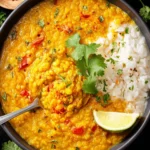
Mung Bean Dal with Tomatoes
- Total Time: 40 minutes
- Yield: 4 servings 1x
- Diet: Vegan
Description
A hearty mung bean dal cooked with flavorful spices and tomatoes, perfect for pairing with rice or naan.
Ingredients
Scale
- 2 tablespoons olive oil
- 1 onion (chopped)
- 3 cloves garlic (grated)
- 1 inch ginger (grated)
- 1½ teaspoons ground coriander
- ¾ teaspoon ground cumin
- ½ teaspoon turmeric powder
- ¼ teaspoon red pepper flakes (or more to taste)
- 1 pound vine tomatoes
- 1 teaspoon salt (or more to taste + 2 twists black pepper optional)
- 1 cup split mung beans (also sold as moong dal)
- 4 cups vegetable broth
- 2 tablespoons lemon juice
- 1 teaspoon garam masala (optional)
- 1 tablespoon fresh cilantro (optional)
Instructions
- Cut 1 pound vine tomatoes into small dice. Set aside.
- Heat 2 tablespoons olive oil in a pan, add the chopped onion and sauté for 4 minutes or until soft.
- Add grated garlic and ginger, along with spices (1½ teaspoon ground coriander, ¾ teaspoon ground cumin, ½ teaspoon turmeric powder, and ¼ teaspoon red pepper flakes), and stir for one more minute.
- Add the chopped tomatoes, 4 tablespoons water, 1 teaspoon salt, and 2 twists black pepper, and cook on medium-high heat for 5 minutes or until the tomatoes turn into puree.
- Rinse 1 cup split mung beans and add them to the tomato-spice mix.
- Pour in 4 cups vegetable broth and simmer uncovered for 20 minutes or until mung beans are tender and dal is creamy.
- Turn off the heat, stir in 2 tablespoons lemon juice and 1 teaspoon garam masala.
- Serve with your favorite sides and toppings, recommended with basmati rice or naan bread. Top with 1 tablespoon fresh cilantro, quick pickled onions, and yogurt.
Notes
- This dish can be customized with different vegetables or spices based on your preference.
- For more heat, increase red pepper flakes.
- Prep Time: 10 minutes
- Cook Time: 30 minutes
- Category: Main Course
- Method: Stovetop
- Cuisine: Indian
Nutrition
- Serving Size: 1 cup
- Calories: 250
- Sugar: 4g
- Sodium: 600mg
- Fat: 8g
- Saturated Fat: 1g
- Unsaturated Fat: 6g
- Trans Fat: 0g
- Carbohydrates: 40g
- Fiber: 12g
- Protein: 11g
- Cholesterol: 0mg