Follow Me On Social Media!

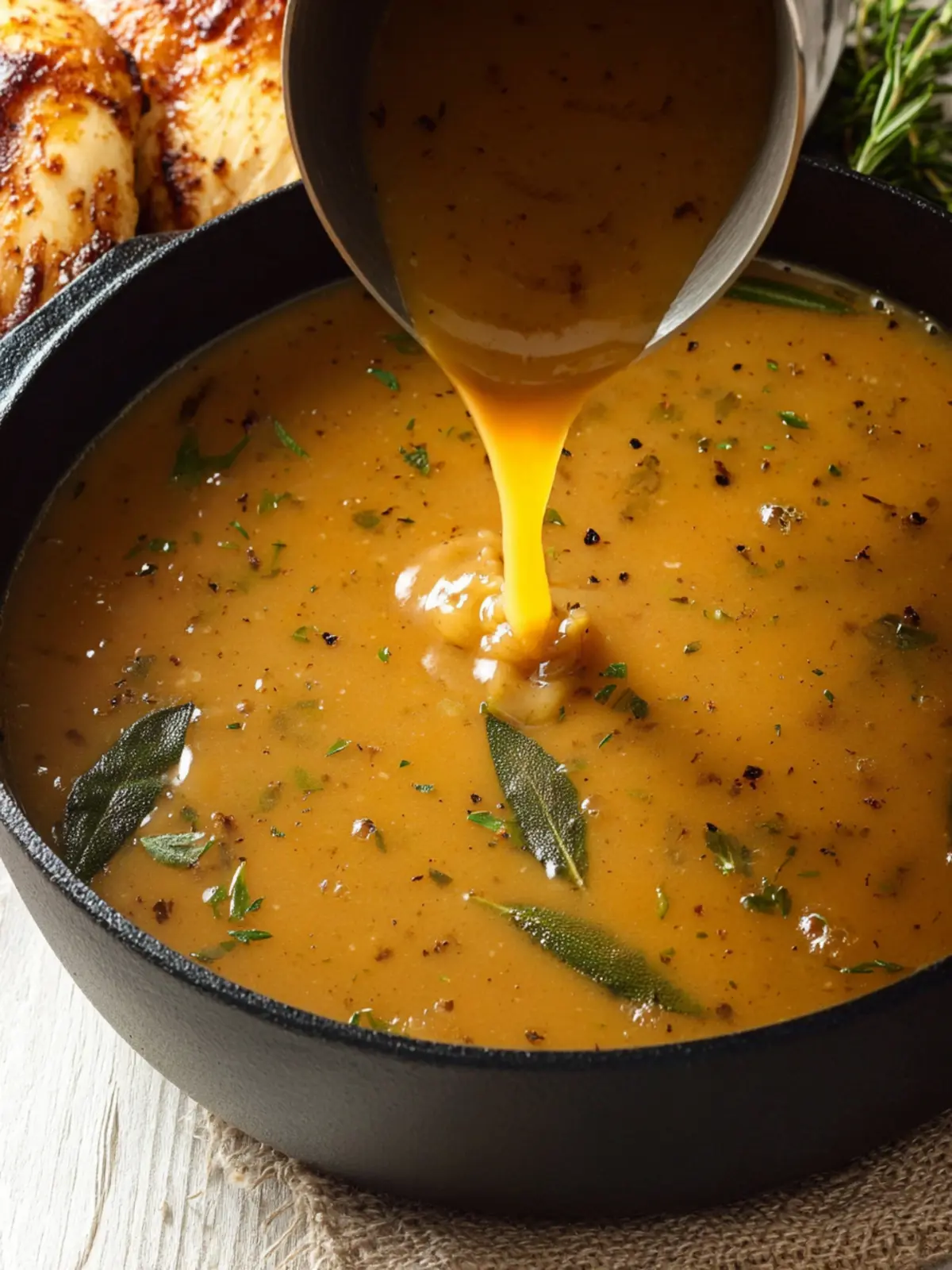
Best Turkey Gravy: Indulgently Rich for Memorable Meals

Introduction to Best Turkey Gravy
Every holiday feast or cozy Sunday dinner deserves a velvety, rich turkey gravy that elevates the entire meal. Picture this: a succulent roasted turkey, golden and perfectly cooked, waiting to be drizzled with a deep, flavorful sauce that adds moisture and enhances every bite. Whether you’re hosting a family gathering or simply enjoying a midweek dinner, the best turkey gravy is really more than just a condiment—it’s an experience that brings comfort and harmony to your plate.
One of the best things about making turkey gravy is how it embodies the essence of home cooking. It’s a tradition in many households to save the drippings from the turkey, transforming them into a delicious sauce. These drippings, filled with flavor from the bird and any seasonings used during cooking, provide a deep base for your gravy. The process becomes almost ritualistic; simmering the drippings with broth, whisking in flour or cornstarch, and letting the mixture thicken until it reaches just the right consistency.
But why do we love turkey gravy so much? It complements the savory notes of roast turkey while adding a layer of richness that makes each bite truly satisfying. Many research highlights that savory flavors are naturally appealing to our taste buds, and when paired with comforting carbs like mashed potatoes or stuffing, the best turkey gravy creates a symphony of flavors that many find irresistible.
An important note is that not all gravies are created equal. The best turkey gravy strikes a balance between texture and flavor—smooth yet robust, salty yet savory. As you prepare to make this timeless sauce, embrace the simplicity of the recipe while allowing your personal touch to shine through with spices and seasonings. Anyone can master this art, whether you’re a culinary novice or seasoned cook.
In the following sections, we will dive deeper into the ingredients, methods, and personal tips to help you create your very own best turkey gravy that will have everyone coming back for seconds.
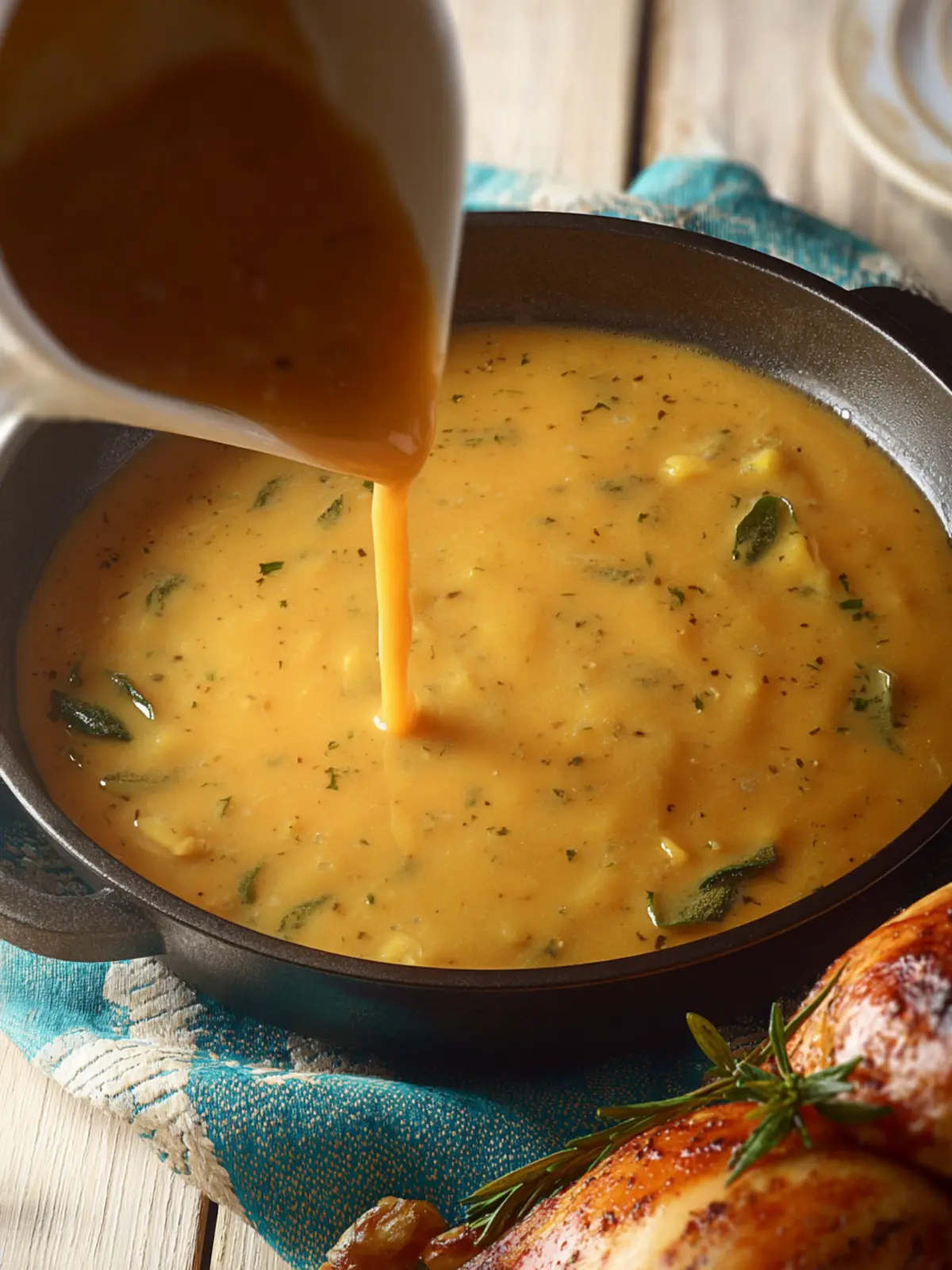
Key Ingredients for Best Turkey Gravy
Turkey pan drippings: For the best turkey gravy, the foundation lies in those glorious pan drippings left behind after roasting your turkey. They provide an unparalleled richness and depth that no bottled version can match. Keep in mind that the quantity may fluctuate depending on the size and preparation method of your turkey.
Low-sodium turkey broth: To achieve a balanced flavor, low-sodium turkey broth is a game-changer. It adds layers of depth without making the gravy overly salty, which is crucial, especially if your drippings carry a heavy salt punch.
All-purpose flour: This is the superhero of thickening agents in gravy. Using all-purpose flour helps achieve that silky, smooth texture we all crave in our best turkey gravy.
Chopped onions: Onions introduce a subtle sweetness and complexity. As they soften during cooking, they release their flavors, elevating the overall taste of your gravy.
Fresh herbs: A touch of sage, thyme, or rosemary offers an aromatic lift that enhances the best turkey gravy experience, infusing it with that unmistakable homemade charm.
Salt and pepper: No gravy is complete without seasoning. Adjust salt and pepper according to your preference, while considering the natural saltiness from the drippings.
Why You’ll Love This Turkey Gravy
There’s something undeniably special about the best turkey gravy—it’s a comforting hug for your holiday meals and a key component of making your turkey shine. From those first tantalizing aromas wafting through your kitchen to the moment you ladle it over fluffy mashed potatoes, this gravy transforms your dining experience.
The Comfort of Homemade Gravy
Homemade gravy brings a warmth that store-bought versions simply cannot replicate. Using drippings from your roasted turkey, this recipe honors the bird while creating a rich, velvety sauce that complements any dish. Imagine the satisfaction of knowing that every droplet of this best turkey gravy is crafted from your own kitchen, infused with love and tradition.
When you prepare this turkey gravy, you’re not just cooking; you’re creating memories. Whether it’s a festive gathering surrounded by family or a simple Sunday dinner, this gravy elevates every meal.
Plus, making your own gravy is surprisingly simple! With just a few key ingredients—turkey fat, flour, broth, and seasonings—you’ll discover that achieving restaurant-quality flavor at home is easier than you think. Why settle for less when you can serve up this comforting classic that’s sure to impress everyone at the table?
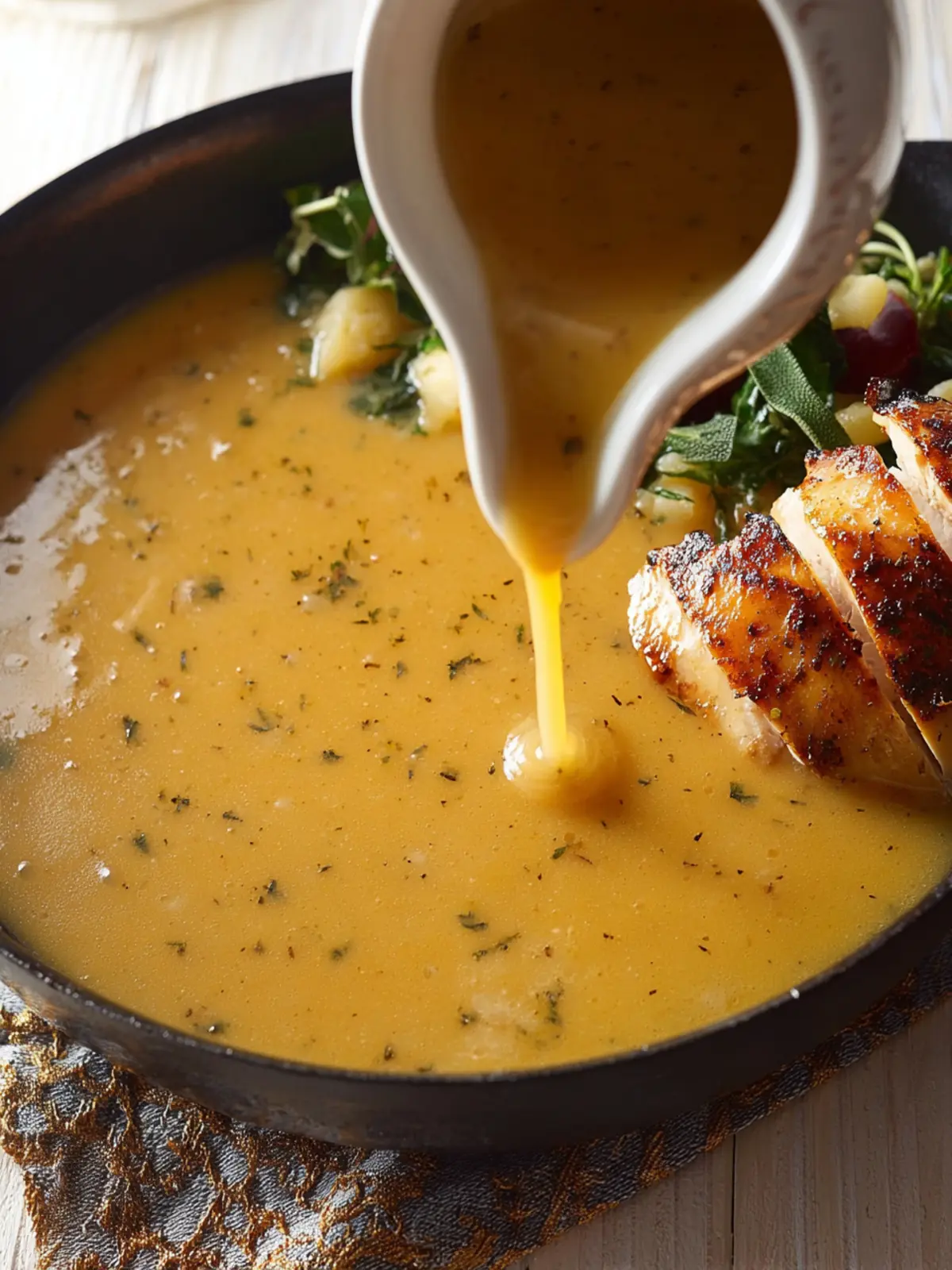
Variations of Turkey Gravy
When crafting the best turkey gravy, it’s not just a matter of thickening stock; it’s about elevating your dinner table experience with delightful flavors and aromas. With a few clever tweaks, you can transform a simple gravy into a culinary masterpiece that complements your holiday feast.
Adding flavors: Different herbs, spices, or even a splash of wine
To personalize your gravy, consider adding herbs like rosemary or thyme for an aromatic depth. You can also introduce a dash of sage, which pairs beautifully with turkey. A sprinkle of black pepper or even a hint of cayenne can add the warmth you crave. Feeling adventurous? A splash of white or red wine—not only enhances flavor but also brings a touch of sophistication.
For a twist, try incorporating garlic powder or onion powder for added richness, or a bit of soy sauce for umami sophistication. Don’t forget about citrus zest, like lemon or orange, for a refreshing brightness. Each variation can take your best turkey gravy to the next level, making it truly memorable!
Cooking Tips and Notes for Perfect Gravy
Creating best turkey gravy is an essential skill that can truly elevate your Thanksgiving feast. You want that rich, velvety texture that clings to your turkey slices and adds an unsurpassed depth of flavor to your meal.
Timing and Techniques to Avoid Lumps
Timing is crucial when making gravy, especially right after roasting your turkey. There’s something magical about using those pan drippings while they’re still warm; it helps you achieve that silky smooth finish. Here are some tips to keep your gravy lump-free:
- Use a Whisk: Start by whisking your flour into the fat from the pan drippings to create a roux. This ensures the flour disperses evenly, preventing lumps from forming.
- Gradual Addition of Liquid: Slowly add your broth or stock while continuing to whisk. This gradual incorporation allows the flour to absorb the liquid evenly, creating a cohesive sauce.
- Strain If Needed: If you find you’ve got a few stubborn lumps despite your best efforts, don’t fret! Simply strain your gravy through a fine mesh sieve to catch any lumps, resulting in a perfectly smooth gravy.
Remember, the best turkey gravy is all about balance—flavor, texture, and timing. With these tips, you’re well on your way to achieving gravy greatness!
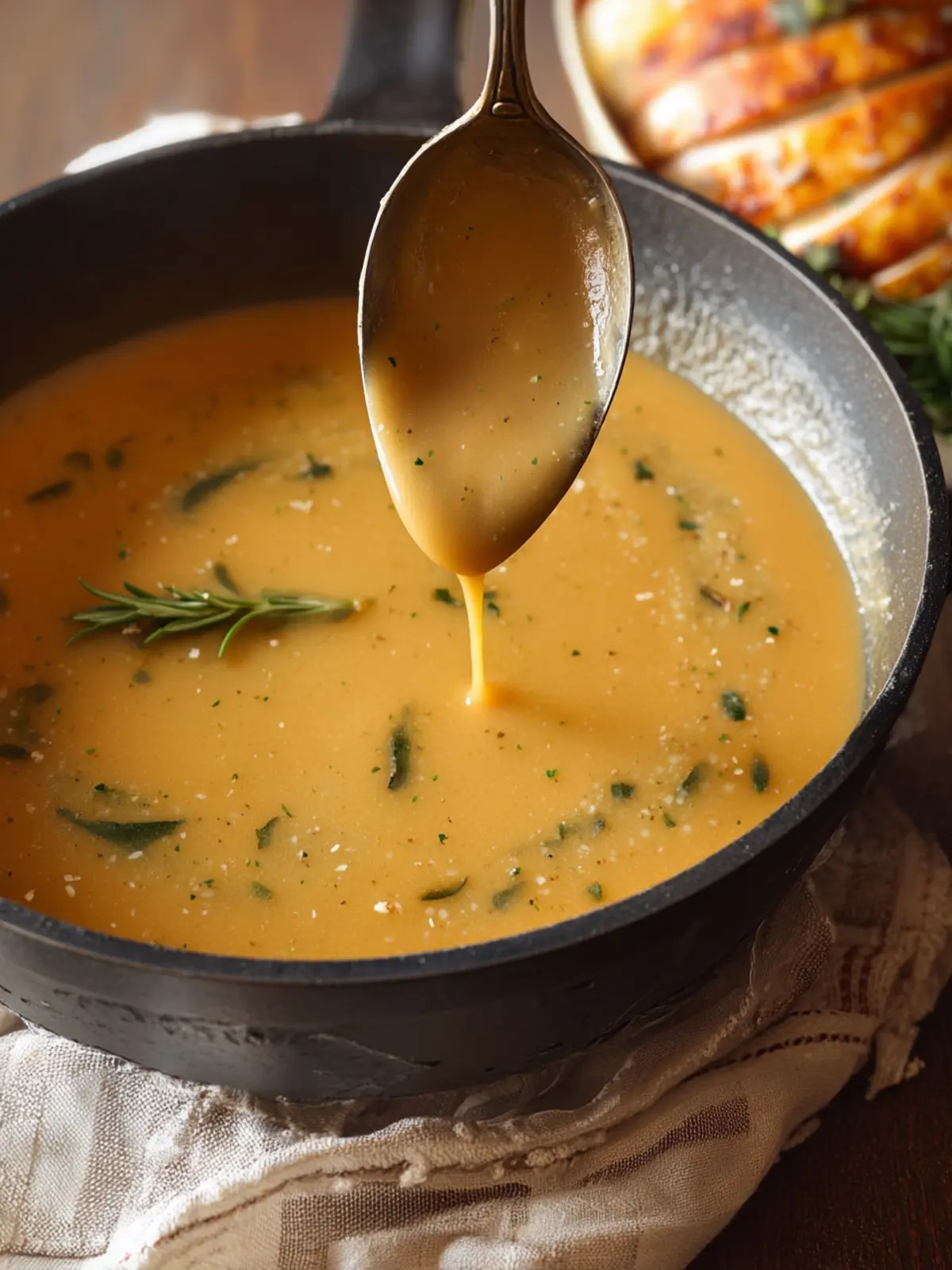
Serving Suggestions for the Best Turkey Gravy
Creating the best turkey gravy is just the beginning of a delicious meal. To truly elevate your dining experience, how you serve it can make all the difference.
Pairing with sides: What dishes work best with turkey gravy?
When it comes to selecting sides, think of comforting, robust flavors that complement the rich consistency of your gravy:
- Mashed Potatoes: This classic pairing absorbs the gravy beautifully, making each bite wonderfully savory.
- Stuffing: The herby essence of stuffing harmonizes with turkey gravy, enhancing that cozy, home-cooked feeling.
- Green Beans: Their crisp, fresh bite offers a lovely contrast to the smooth richness of gravy.
- Roasted Vegetables: Carrots, Brussels sprouts, or squash provide a sweet and savory balance that pairs delightfully.
- Biscuits or Dinner Rolls: These fluffy breads are perfect for soaking up every last delicious drop!
Incorporating these sides will not only highlight your best turkey gravy but also create a well-rounded, joyful feast for you and your loved ones.
Time Breakdown for Making Turkey Gravy
Creating the best turkey gravy doesn’t have to be a time-consuming task. Here’s how you can easily plan out your cooking schedule for this essential holiday side.
Preparation time
Getting everything ready for the best turkey gravy will take about 10-15 minutes. This includes gathering your ingredients, measuring them out, and making sure you have your turkey drippings handy.
Cooking time
The cooking process itself typically takes around 15-20 minutes. You’ll want to ensure the gravy simmers to allow those rich flavors to meld together beautifully.
Total time
In total, you’ll spend approximately 25-35 minutes from start to finish. This means you can have a delicious, homemade turkey gravy on the table in no time, ready to complement your turkey feast!
Nutritional Facts for Turkey Gravy
Understanding the nutrition of best turkey gravy enriches your culinary experience. This delightful sauce might be the star at your holiday table, and knowing what’s in it can help you serve it with confidence.
Calories
A typical serving of turkey gravy (about 1/4 cup) contains approximately 50-80 calories. This makes it a flavorful addition without too many calories, leaving space for those delicious side dishes.
Fats
In a serving, you’ll find about 3-5 grams of fat, largely depending on the type of fat used in the gravy. If you opt for a little less butter, you can easily reduce the fat content while still keeping that luscious mouthfeel.
Carbohydrates
Turkey gravy is quite low in carbohydrates, usually around 2-4 grams per serving. This makes it a smart option for those watching their carb intake while enjoying rich, comforting flavors.
Pair this best turkey gravy with your holiday meal for a delightful experience that balances taste and nutrition!
FAQs about Best Turkey Gravy
Creating the best turkey gravy can be a delightful addition to any meal, but it often raises a few questions along the way. Here’s a quick guide to help you navigate some common concerns.
How can I make turkey gravy less salty?
If your best turkey gravy turned out a bit saltier than expected, there are a few tricks to tone it down.
- Add Unsalted Broth: Incorporating additional unsalted turkey or chicken broth can help dilute the saltiness.
- Use Cream or Milk: Stirring in a splash of cream or milk can balance out the flavors, giving your gravy a rich texture.
- Incorporate Vegetables: Cooking diced potatoes or carrots in the gravy for a short period can help absorb excess salt. Just remember to remove them before serving!
Can I use chicken broth instead of turkey broth?
Definitely! While turkey broth enhances the flavor of your best turkey gravy, chicken broth is a perfect substitute. It will maintain a similar taste profile and keep your gravy deliciously smooth. Just ensure it’s low sodium if you’re concerned about salt levels.
What if my gravy is too thick or thin?
A perfect consistency can be the difference between an okay and an amazing best turkey gravy.
- If It’s Too Thick: Gradually whisk in more broth or water until you reach your desired consistency. Heat it gently to help incorporate the liquid.
- If It’s Too Thin: Mix a bit of cornstarch or flour with cold water to create a slurry, then add it to your gravy while simmering until it thickens up nicely.
Making adjustments is all about finding the balance that suits your taste, turning that turkey roast into a standout feast!
Conclusion on Best Turkey Gravy
In crafting the best turkey gravy, the journey begins with excellent ingredients and a sprinkle of love. Remember to utilize those savory turkey drippings for a depth of flavor that enhances your dish. As the gravy thickens, the aroma will remind you of family gatherings and festive feasts.
Don’t shy away from adjusting the seasoning; a pinch of salt or a splash of wine can elevate your creation. Whether it graces your holiday table or a cozy dinner, a well-made gravy transforms any meal into a celebration. Cherish these moments around the table, where good food and great company thrive. Enjoy every delicious bite!
Print
Turkey Gravy
- Total Time: 25 minutes
- Yield: 4 servings 1x
- Diet: Gluten-Free
Description
This turkey gravy is made using the drippings left over after roasting a turkey, thickened with a roux and flavored with herbs.
Ingredients
Scale
- 1–3 cups turkey pan drippings
- 1 1/2–3 1/2 cups low-sodium turkey broth (or chicken broth)
- 5 tablespoons all-purpose flour
- 1/4 cup chopped onions
- 3 tablespoons fresh chopped herbs (sage, thyme, rosemary)
- Salt (and pepper)
Instructions
- After roasting a turkey, there are drippings left in the bottom of the pan. Depending on the size of your turkey and exactly how you prepare it, your turkey could produce anywhere from 1 to 5+ cups drippings. If you brined your turkey, the drippings will be very salty. It’s important to taste the dripping before you start making gravy. If starting with ‘briny’ drippings, use only 1 cup of dripping, or your gravy will be way too salty. Also make sure to use low sodium broth so you have better control over salt content.
- Skim off 1/4 cup turkey fat from the drippings and place it in a sauté pan. Set over medium heat and whisk in the flour to create a roux. Add the chopped onion and fresh herbs, and cook until the onions are soft and the roux is golden.
- Meanwhile measure out the pan drippings and broth to total 4 cups combined. This is not an exact science, as all drippings are different based on how to prepared your turkey. Be careful not to add too much of the drippings if they are very salty. Also, you want some turkey fat in the mix, but if your drippings are primarily fat, use less drippings and more broth.
- Pour the liquid into the roux, whisking to incorporate evenly. Once the mixture is smooth, simmer to allow it to thicken. The thickness of your gravy is entirely up to you. I like mine thick enough to coat a spoon. Once you reach your desired consistency, turn off the heat.
- Taste the gravy, then salt and pepper as needed. Gravy will thicken as it cools, so either set it on a warmer or set a lid over the pan, and keep a little extra broth to stir in at the end to loosen the gravy.
- When ready to serve, rewarm if needed. Whisk in 1/4-1/2 cup of additional broth into the gravy if needed. Then use a sieve to strain out the onions and herbs as you pour it into a gravy bowl. Serve immediately.
Notes
- This gravy can be adjusted for saltiness by controlling the amount of drippings used depending on their salt content.
- Keep a little extra broth on hand to adjust the consistency of the gravy if it thickens too much.
- Prep Time: 10 minutes
- Cook Time: 15 minutes
- Category: Sauces
- Method: Stovetop
- Cuisine: American
Nutrition
- Serving Size: 1/4 cup
- Calories: 80
- Sugar: 0g
- Sodium: 300mg
- Fat: 4g
- Saturated Fat: 1g
- Unsaturated Fat: 2g
- Trans Fat: 0g
- Carbohydrates: 10g
- Fiber: 0g
- Protein: 3g
- Cholesterol: 15mg