Follow Me On Social Media!

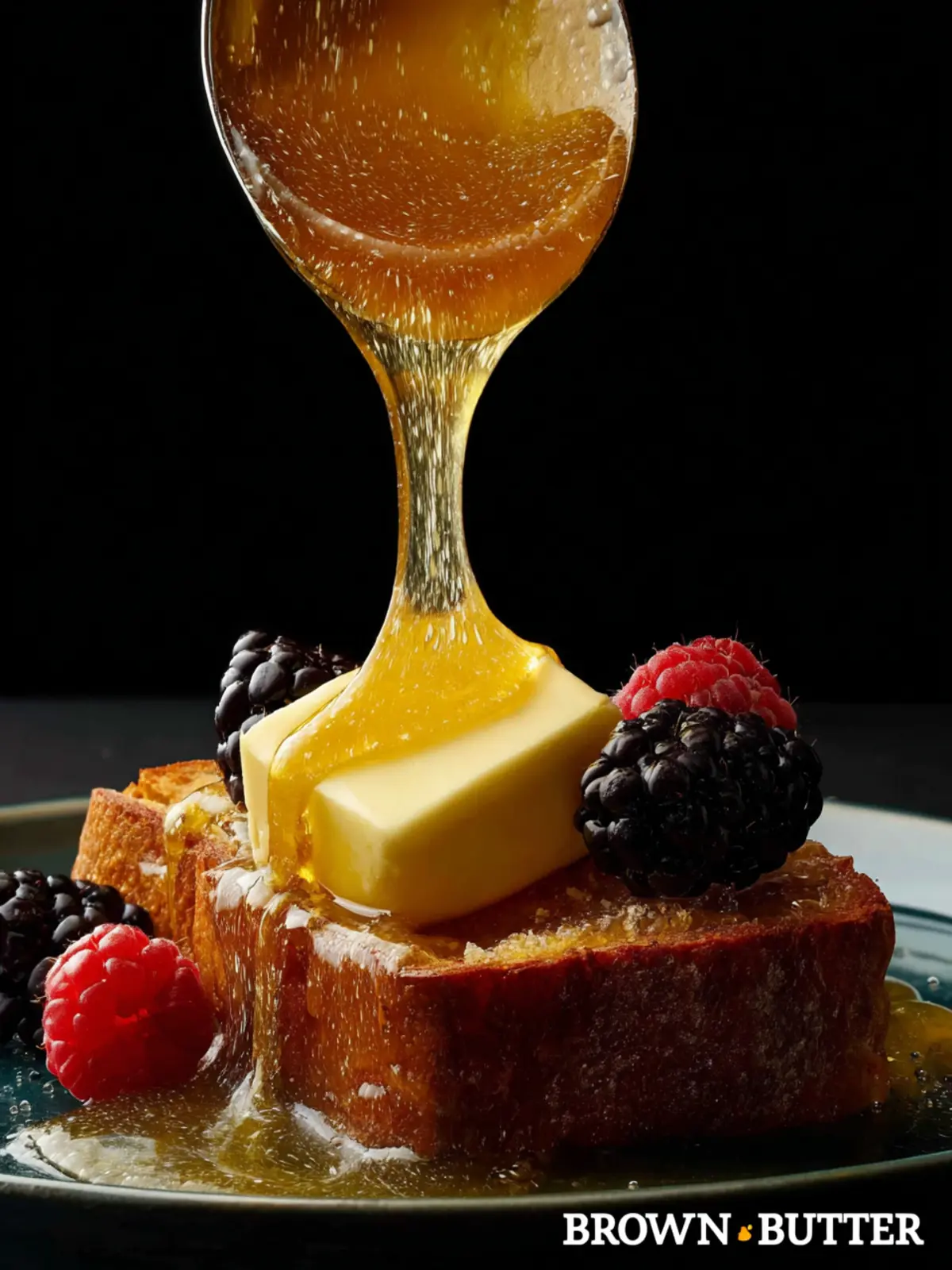
How to Make Brown Butter: The Best Secret for Rich Flavors

Introduction to Brown Butter
Every kitchen can use a touch of magic, and brown butter is the secret ingredient that transforms ordinary dishes into extraordinary delights. Picture this: you’re making a simple pasta, and instead of using plain butter, you decide to take a few extra moments to brown it. As it melts in the pan, it begins to sizzle, releasing a nutty aroma that instantly invigorates your senses. Suddenly, you’re not just cooking; you’re crafting a masterpiece. This is the allure of brown butter—it elevates flavors and adds depth to your culinary creations.
The magic of brown butter in cooking
When it comes to understanding how to make brown butter, it’s essential to appreciate its chemistry and flavor profile. Browning butter is simple, but it’s also a fine art. The process involves cooking butter until its milk solids turn golden brown, resulting in a rich flavor reminiscent of caramel and toasted nuts. This transformation occurs through the Maillard reaction, where sugars and proteins bond under heat, creating complex flavors.
-
Versatility: Brown butter isn’t limited to just one type of dish. It’s perfect in sweet desserts, like cookies or cakes, but it also shines in savory recipes, enhancing everything from vegetables to meats. Think about drizzling it over roasted Brussels sprouts or mixing it into a warm brown sugar cookie dough—each application brings warmth and richness that a standard butter simply can’t achieve.
-
Aromatic Influence: The minute you smell that nutty fragrance wafting through your kitchen, you’ll understand why brown butter has gained popularity among both home cooks and professional chefs alike. It adds not just flavor, but an aromatic experience that entices and excites.
-
Balance and Depth: By introducing brown butter into your culinary repertoire, you’re inviting new dimensions into your meals. It has the unique ability to accentuate sweetness in baked goods or add umami to savory dishes, striking a perfect balance that leaves a lasting impression.
In a world of cooking where every detail matters, knowing how to make brown butter is a game-changer. It’s not just about the taste; it’s about exploring new possibilities, and who doesn’t love a dash of creativity in the kitchen?
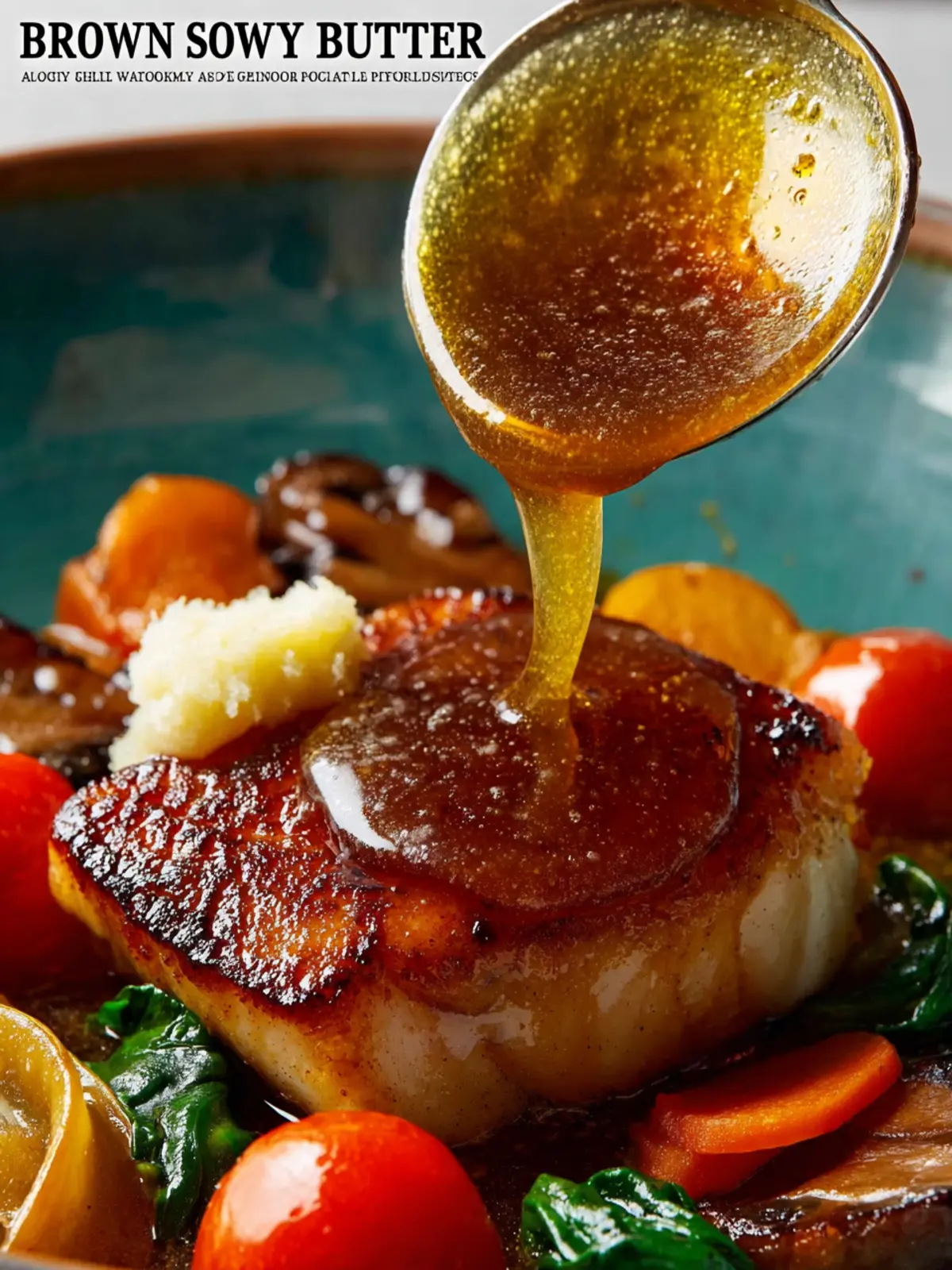
Key Ingredients for Brown Butter
Butter: The star of how to make brown butter is, of course, the butter itself. I prefer using unsalted butter because it gives you complete control over the seasoning in your recipe. Choose a high-quality brand for richer flavor and a more fragrant result.
Time: Though not a physical ingredient, time is essential when making brown butter. The process only takes a few minutes, but it’s crucial to stay attentive as the butter transforms from a pale yellow to a golden hue, bringing out its nutty aroma.
Patience: Similarly, while not an ingredient in the traditional sense, patience is vital. If you rush through the process, you risk burning the butter, resulting in a bitter taste rather than that delightful, toasty flavor.
Pairing Ingredients: The depth of flavor from brown butter makes it a fantastic addition to a range of dishes. It enhances both sweet and savory recipes, elevating everything from cookies to pasta. So, keep it handy when you want to add that extra layer of complexity!
Why You’ll Love This Recipe
Learning how to make brown butter is like discovering a secret ingredient that can elevate your culinary creations to a whole new level. This technique transforms ordinary butter into a nutty, aromatic delight that can enhance both sweet and savory dishes. Picture this: as the butter melts and bubbles, it releases a rich, toasty aroma that fills your kitchen with warmth, making it feel like a cozy cafe in the comfort of your home.
One of the best parts about brown butter is its versatility. Whether you’re drizzling it over pasta, mixing it into cookie dough, or even using it as a base for a sauce, it adds an unexpected depth of flavor that will impress your friends and family. Plus, the process is surprisingly simple—just heat, watch, and smell, giving you instant gratification as the butter transforms right before your eyes.
As a bonus, this method encourages mindful cooking. You’ll pay close attention to the colors and scents, making it a delightful experience that harks back to the basics of cooking. Once you embrace how to make brown butter, you’ll find yourself searching for ways to incorporate it into your favorite dishes, making each meal just a little more special.
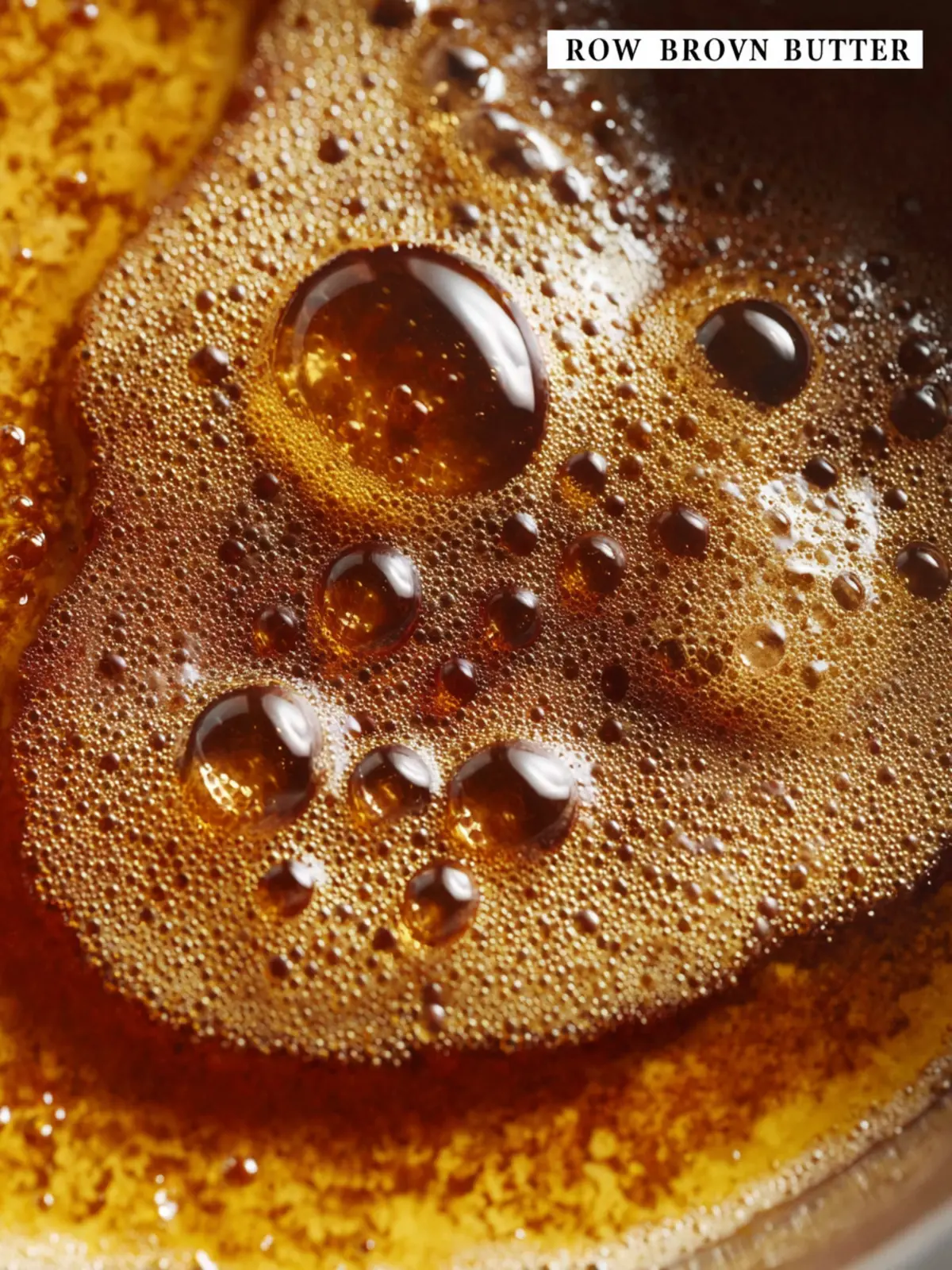
Variations of Brown Butter Uses
You’ve perfected how to make brown butter, and now it’s time to explore the delightful ways it can elevate your cooking. Brown butter is incredibly versatile, adding a nutty, rich depth to both sweet and savory dishes. Here are some of my favorite variations for using this luxurious ingredient:
-
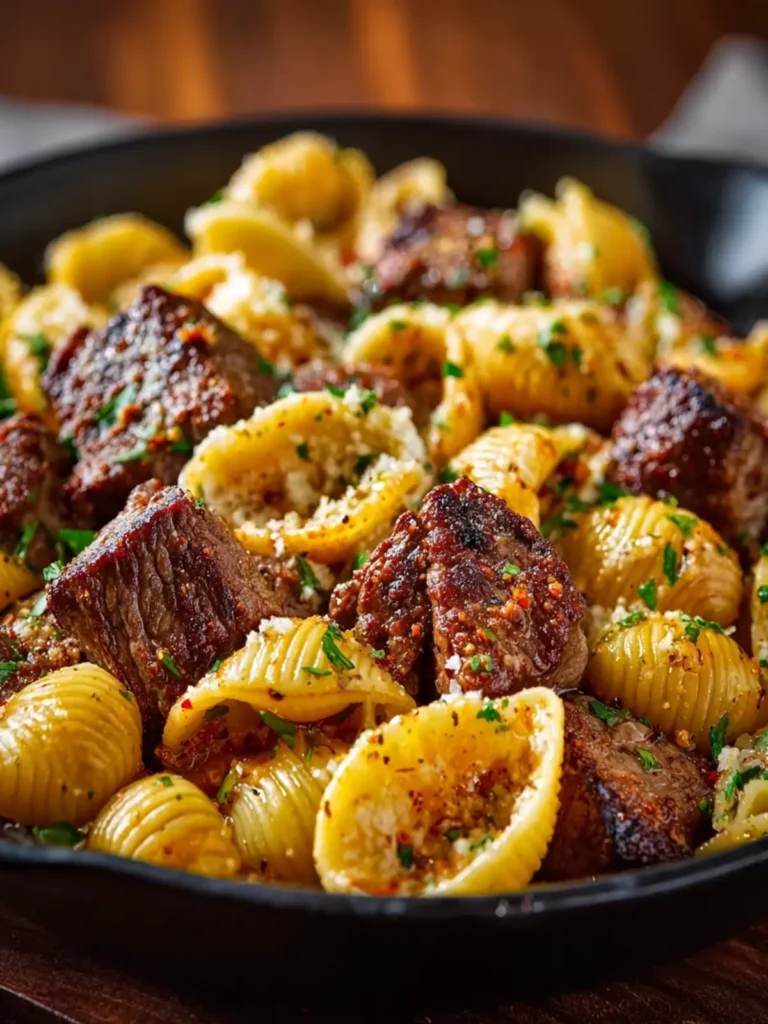
Pasta Dishes: Toss your favorite pasta in brown butter, adding crispy sage or garlic for a simple yet elegant meal. The nutty flavors compliment cheese beautifully!
-
Vegetables: Drizzled over roasted or sautéed vegetables, brown butter can transform ordinary side dishes into gourmet fare. Try it with Brussels sprouts or asparagus for an extra flavor punch.
-
Baking: Incorporate brown butter into cookie or cake batters for a unique twist. It works particularly well in recipes that include chocolate or nuts, enriching the overall flavor.
-
Sauces: Create a velvety brown butter sauce by whisking in lemon juice and fresh herbs. This sauce pairs wonderfully with fish or chicken, lending a delightful complexity.
-
Ice Cream Topping: Let’s not forget dessert! Pour warm brown butter over vanilla ice cream for an indulgent treat that feels fancy yet is effortless to prepare.
Experimenting with brown butter opens up a world of delicious possibilities. Enjoy the newfound richness it brings to your culinary adventures!
Cooking Tips and Notes for Perfect Brown Butter
Crafting brown butter is more than just melting butter; it’s an art that transforms the ordinary into the extraordinary. Think of it as a magical alchemy – you’ll be wrapping your favorite dishes in a warm, nutty aroma that elevates each bite. Here are some essential cooking tips to perfect your brown butter technique.
Choose the Right Butter
Using unsalted butter allows you to control the saltiness of your dish. This is especially important since brown butter can amplify flavors.
Watch the Color and Aroma
As you cook, keep a close eye on the butter. It will go through various stages—foaming, bubbling, and ultimately turning golden brown. The moment you smell a rich, nutty aroma, it’s doing its magic!
Use a Light-Colored Pan
A light-colored, stainless steel pan helps you monitor the color change more easily than a dark one. It’s vital to catch the shift from perfectly brown to burnt.
Stir Often
Constant stirring promotes even cooking and prevents the milk solids from settling at the bottom and scorching.
Allow Time to Cool
Once browned, transfer the butter to a cool bowl to stop the cooking process. This prevents further browning, ensuring you have the perfect nutty flavor without bitterness.
By following these simple yet effective tips, you’ll master how to make brown butter that enhances both sweet and savory dishes alike!
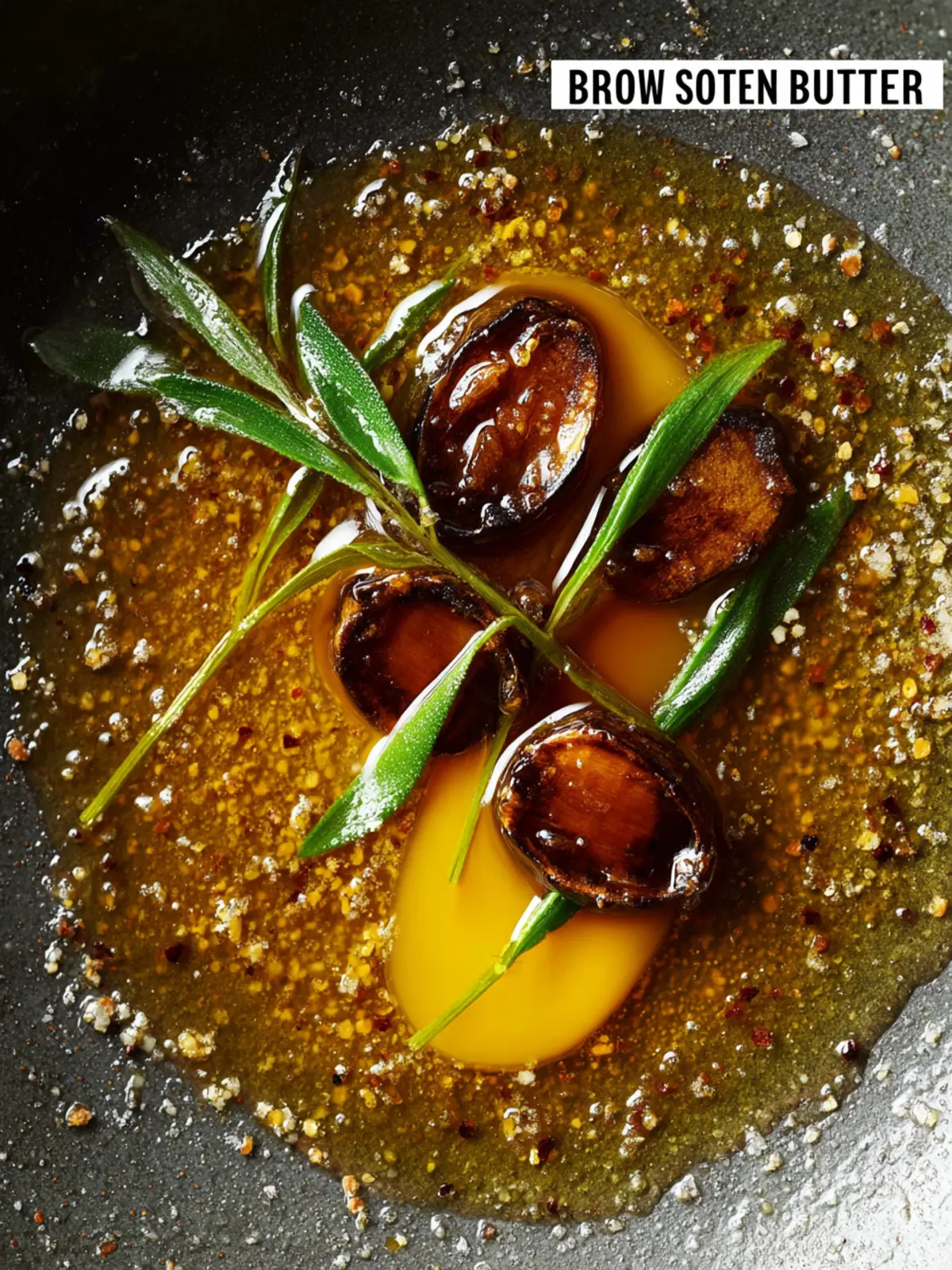
Serving Suggestions for Brown Butter
Embracing the rich, nutty flavor of brown butter opens up a world of culinary possibilities. Its distinct aroma and taste make it a delightful ingredient to enhance both sweet and savory dishes. Here are some fantastic ways to serve and enjoy your homemade creation.
Pasta Perfection
Toss freshly cooked pasta in a generous drizzle of brown butter, along with sautéed garlic and crisped sage leaves for an unforgettable dish that’s both simple and elegant.
Satisfying Sweets
Brown butter is a game-changer in baking. Try it in cookies, cakes, or even on warm biscuits. Its unique flavor transforms your treats into something extra special, leaving a lasting impression on your taste buds.
Flavorful Vegetables
Drizzle brown butter over your roasted or steamed vegetables. It elevates the dish, adding depth and a delightful nuttiness that balances well with seasonal veggies.
Decadent Sauces
Use brown butter as a base for sauces, perfect for drizzling over fish or chicken. Its complexity pairs beautifully with lemon or capers, turning a simple meal into a gourmet experience.
With these serving suggestions, you’ll be eager to explore all the delicious ways to incorporate brown butter into your cooking!
Time Breakdown for Making Brown Butter
Making brown butter is a delightful experience that enhances the flavor of your dishes significantly. It only takes a little time, and the results are well worth the effort.
Preparation Time
Getting ready to make brown butter is quick and easy. You’ll only need about 5 minutes to gather your equipment and measure out your butter.
Cooking Time
The actual cooking process requires your full attention but is pretty speedy as well. You’ll spend around 10 minutes on the stove browning the butter, watching it carefully as it transforms from golden to a rich brown.
Total Time
In total, you’re looking at about 15 minutes from start to finish. This short commitment opens up a world of flavor possibilities for your recipes. So, grab your butter and get ready to elevate your culinary creations!
Nutritional Facts for Brown Butter
How to make brown butter elevates simple recipes with its rich, nutty flavor, but let’s talk about the nutritional side of this delightful ingredient. While it’s essential to savor its taste, being mindful of the nutrition facts is equally important.
Calories
A tablespoon of brown butter contains roughly 100 calories, making it a rich addition to your dishes. Even though it adds depth of flavor, those calories can add up quickly, so using it judiciously can keep your meals balanced.
Fat
Brown butter is high in fat, with about 11 grams per tablespoon, primarily coming from saturated fats. While fat can enhance flavor and texture, remember that moderation is key for a healthy lifestyle.
Carbohydrates
Interestingly, brown butter contains minimal carbohydrates—around 0 grams per tablespoon. This makes it a fantastic choice for low-carb diets. Enjoy the luxurious essence of brown butter worry-free, knowing it won’t significantly affect your carb intake.
Embracing how to make brown butter not only enhances your culinary creations but allows you to appreciate its nutritional profile.
FAQ About Brown Butter
Understanding how to make brown butter can elevate your culinary creations significantly. Here, we demystify some of the most common questions about this delightful ingredient so you can use it with confidence in your recipes.
What is brown butter?
Brown butter, or beurre noisette, is a simple yet transformative ingredient made by gently cooking butter until its milk solids turn brown, imbuing it with a rich, nutty flavor. It’s perfect for enhancing both sweet and savory dishes, adding a depth and warmth that plain butter simply can’t provide. Whether you’re drizzling it over pasta or using it in baked goods, this aromatic butter adds a unique twist.
How do I know when my butter is browned perfectly?
Timing is key when learning how to make brown butter. As soon as the butter melts, keep a close eye on it. You’ll notice the butter transitioning from a pale yellow to a toastier hue. The moment you see light brown flecks forming and it starts releasing a nutty aroma, it’s ready! Remember, it can go from perfect to burnt quickly, so don’t walk away during this critical phase.
Can I store brown butter for later?
Absolutely! If you find yourself with extra brown butter, you can let it cool and store it in an airtight container in the refrigerator for up to a week. For longer storage, consider freezing it in ice cube trays. This way, you can easily pop out a flavor-packed cube whenever you need a touch of that nutty goodness in your cooking or baking!
Conclusion on Brown Butter
Embracing the art of how to make brown butter reveals a culinary treasure that enhances every dish it touches. This delightful ingredient not only elevates flavors but also adds a rich, nutty aroma to your kitchen, creating an inviting atmosphere.
Remember the magic lies in the careful monitoring of the butter as it transforms from golden to toasty brown. Whether using it for savory dishes or sweet desserts, brown butter brings a unique depth that’s hard to resist. So, next time you want to impress your friends or simply enjoy a cozy night in, take a moment to whip up some brown butter. It’ll surely become a staple in your cooking repertoire.
Print
Brown Butter
- Total Time: 15 minutes
- Yield: 1 cup 1x
- Diet: Vegetarian
Description
A rich and nutty flavored butter, perfect for enhancing your recipes.
Ingredients
Scale
- 1 cup butter, cut into tablespoon-sized chunks
Instructions
- Add the butter to a medium pan or skillet and melt over a medium heat.
- Stir or whisk the butter every so often to keep it moving until it starts to bubble up. You should be able to see the bottom of the pan through the bubbles at this point.
- After about 5-10 minutes, the bubbles will turn to foam and you will no longer be able to see the bottom of the pan. Stir or whisk constantly as it foams, keeping an eye on the milk solids that you should notice fall to the bottom.
- After a minute or so, the butter will darken from yellow to amber and the milk solids will darken into a golden brown. You should also notice a rich & nutty aroma.
- Take the pot off the heat, and pour into a heat-proof bowl or container to stop cooking and cool down.
- Let cool a bit before using. How long you cool it will depend on what you’re using it for so look to your recipes for guidance. Use melted or fully cooled & solidified.
Notes
- Brown butter adds depth of flavor to cookies, pastas, and sauces.
- This technique requires close attention to avoid burning the milk solids.
- Prep Time: 5 minutes
- Cook Time: 10 minutes
- Category: Sauces
- Method: Stovetop
- Cuisine: American
Nutrition
- Serving Size: 1 tablespoon
- Calories: 102
- Sugar: 0g
- Sodium: 1mg
- Fat: 12g
- Saturated Fat: 7g
- Unsaturated Fat: 4g
- Trans Fat: 0g
- Carbohydrates: 0g
- Fiber: 0g
- Protein: 0g
- Cholesterol: 31mg